

The Philosophy of Fear: How Embracing Anxiety Can Be a Catalyst for Growth
As humans, we’ve always been fascinated by the concept of fear. From the terrifying villains of Gotham City to the spine-tingling horror movies that keep us up at night, fear is an emotion that has captivated our imagination for centuries. But what is the philosophy of fear, and how has it evolved over time? To understand fear, we must delve into its history, from the earliest days of cellular life to the complex societies of modern humans.
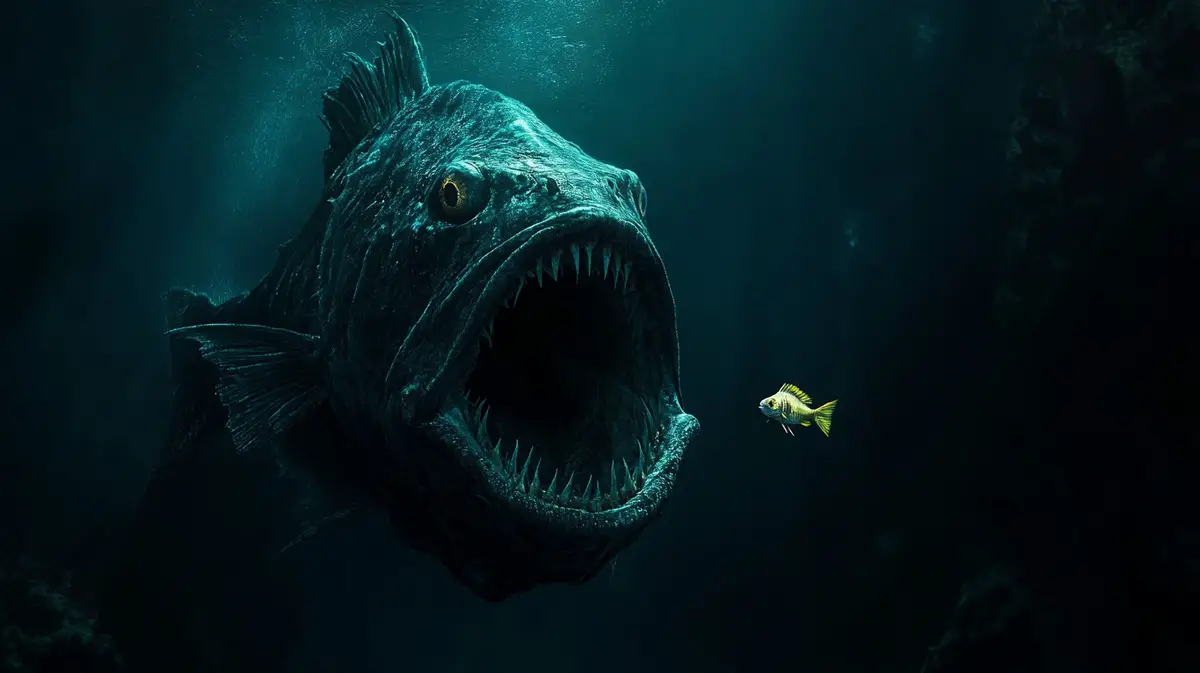
The earliest forms of fear were likely automatic reflexes, devoid of emotional response. As life evolved, so did the complexity of fear. With the emergence of backboned organisms, basic brain structures developed, and fear became a vital tool for survival. The introduction of predators like the massive scissor-jawed Dunkleosteus fish created a new type of terror, one that was fueled by adrenaline and the hope of escape.
As humans evolved, our relationship with fear changed. We developed technology to deter predators and became self-conscious of death, allowing us to ask ourselves why we’re afraid and what we can do about it. In agrarian times, we feared the weather and the prospect of famine, while in modern societies, we fear economic dangers, unemployment, and loss of reputation. But as our lives have become increasingly comfortable, we’ve had to find new ways to stimulate our fear response, often through fictional horror and entertainment.
However, this desire for fear can be a double-edged sword. On one hand, fear can motivate us to excel, to fight, and to approach challenges with strategic humility. It can strip us of overconfidence and allow us to see situations realistically. On the other hand, our complacency and desire for stimulation can lead us down a path of self-destruction, as we seek out increasingly extreme and dangerous activities to alleviate boredom.
In today’s world, where technology has advanced to the point of near-singularity, we face new and unprecedented threats. Climate change, global collapse, and the erosion of our physical and mental health are just a few of the challenges that we must confront. And yet, despite these dangers, we often find ourselves more concerned with trivial matters, such as social media controversies and conspiracy theories.
Perhaps, as the Scarecrow’s character suggests, a little fear is necessary to keep us grounded and motivated. By embracing our anxiety and acknowledging the dangers that surround us, we can cultivate a sense of courage and resilience that will serve us well in the face of adversity. So, don’t be happy – be worried. For in the words of the philosopher, fear is more useful than indulgence, and it’s only by confronting our fears that we can truly grow and thrive.
https%3A%2F%2Fdaily-philosophy.com%2Flarry-chan-fear%2F







No Comments