

Fusion’s First Paycheck: Magnets Before Megaprojects
Commonwealth Fusion Systems is betting that the fastest path to commercial fusion energy isn’t building giant reactors first, but selling the powerful magnets that will power them.
While the world watches for the first net-energy-gain fusion reactor, CFS is executing a pragmatic, two-pronged strategy. Their flagship project, SPARC, aims to demonstrate net gain, but the company knows that alone won’t fund the decades-long journey to a power plant. The answer lies in the very heart of their technology: high-temperature superconducting (HTS) magnets.
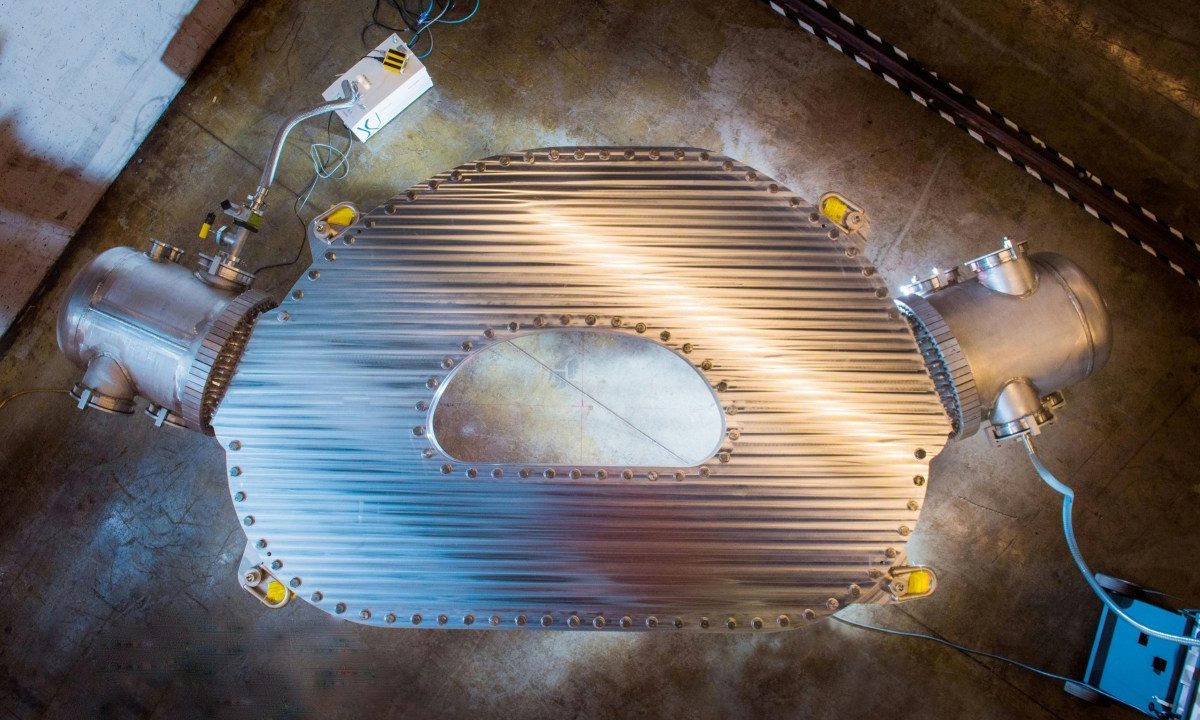
These aren’t your grandfather’s electromagnets. CFS’s proprietary HTS tape, developed with MIT, creates magnetic fields far stronger than conventional copper or low-temperature superconductors. This is the breakthrough that makes compact, affordable fusion possible. But it also makes these magnets a valuable product in their own right, today.
The near-term revenue plan is to leverage this magnet expertise for industrial and scientific applications that demand extreme magnetic fields—markets where traditional magnet solutions are bulky, power-hungry, or simply can’t perform. Think advanced medical imaging (next-gen MRIs), precision semiconductor manufacturing, and fundamental physics research. By selling these high-margin, cutting-edge magnets, CFS generates crucial cash flow and operational experience long before a single watt of fusion electricity is sold.
This strategy brilliantly addresses the “valley of death” that kills many deep-tech ventures. It transforms CFS from a pure research project into a product company, proving their manufacturing prowess and building a customer base. It’s a tangible validation of their technology platform, reducing perceived risk for future investors and partners in the fusion power plant project, ARC.
For the clean energy timeline, this is a significant acceleration. It means the fusion ecosystem—suppliers, workforce, regulatory frameworks—can begin maturing now, seeded by magnet revenues. The path to a fusion-powered grid becomes less of a single, moonshot leap and more of a managed, step-by-step commercialization.
In essence, Commonwealth Fusion is treating its revolutionary magnet technology as a franchise. The fusion power plant is the ultimate blockbuster, but the magnet spin-off is the reliable, profitable series that funds the studio. It’s a clear-eyed, business-savvy approach that could finally turn the long-promised dream of fusion from a scientific milestone into an economic inevitability.







No Comments