

The Battle for Meritocracy: A System Worth Saving?
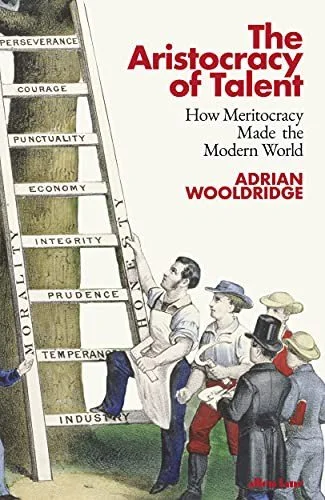
In an age where meritocracy is under siege from both ends of the political spectrum, Adrian Wooldridge’s latest book offers a provocative defense of a system often hailed as the fairest way to govern. As a fellow of All Souls College and a veteran journalist, Wooldridge argues that meritocracy, despite its flaws, remains the best system humans have devised for selecting leaders. His work is not just a defense but also a call to reform a system that is increasingly at risk of being dismantled by its critics.
Wooldridge’s historical tour of meritocracy is as insightful as it is engaging. He begins by painting a vivid picture of life before meritocratic ideals took root, when power was handed down hereditarily. The flawed system of hereditary privilege often led to incompetence and madness, with war being the only means of transferring power between ruling dynasties. The shift toward meritocracy, he argues, was a revolutionary leap forward. From Plato’s philosopher-kings to Confucian China’s rigorous civil service exams, the idea of rewarding talent and effort over birth marked a significant improvement. The civil service exams in China, for instance, allowed individuals to rise from obscurity to prominence based on their performance—a meritocratic ideal that, while imperfect, offered a path to mobility.
The real crescendo of meritocracy came in the mid-19th century with the rise of Britain’s intellectual aristocracy. Families like the Huxleys, Darwins, and Keynes championed universal education and the civil service exam, laying the foundation for a system that prized intellectual merit. The 20th century saw meritocracy flourish further, with expanded access to higher education and the inclusion of women in the workforce. Yet, as Wooldridge highlights, this progress also brought challenges.
Critics on the left argue that meritocracy has become a tool of inequality, favoring the privileged and marginalizing underrepresented groups. They point to standardized tests and selective schooling as systems that perpetuate racial and class disparities. Some even call for replacing traditional measures of merit with “intersectional scores” that prioritize identity over achievement. On the right, populist movements decry meritocracy as a self-serving ideology of elites who are more interested in preserving their power than serving the common good.
While acknowledging the validity of these critiques, Wooldridge argues that meritocracy is worth saving—though it desperately needs reform. He points to the overemphasis on university degrees as a flawed measure of talent and the growing disconnect between education and actual ability. Companies, he suggests, should look beyond degrees when hiring, recognizing that brilliance often emerges in unexpected places. Peter Thiel’s call to ignore credentials in favor of raw talent is a step in the right direction.
Perhaps the most compelling argument for reform is the need to broaden our definition of merit. Excellence comes in many forms—intellectual, emotional, practical, and even moral. A society that values only academic or professional success risks overlooking the contributions of those who excel in other ways. As Wooldridge so eloquently puts it, “fitness depends on the environment you are in.” A person who fails in school may thrive in business, while another might possess a deep understanding of the natural world or a unique capacity for empathy. The idea of a single, narrow measure of merit is outdated.
In the end, Wooldridge leaves us with a hopeful vision: a meritocracy that celebrates diverse forms of excellence, rewards effort and talent, and remains true to its core promise of fairness and opportunity. It’s a vision worth fighting for, not because meritocracy is perfect, but because it’s the best system we’ve got—and with the right reforms, it could be even better. After all, as the story of BR Ambedkar, the untouchable who drafted India’s constitution, reminds us, greatness can emerge from the most unlikely places.
https%3A%2F%2Fwww.philosophyforlife.org%2Fblog%2Fi-believe-in-meritocracy-just-not-merely-intellectual-meritocracy







No Comments