

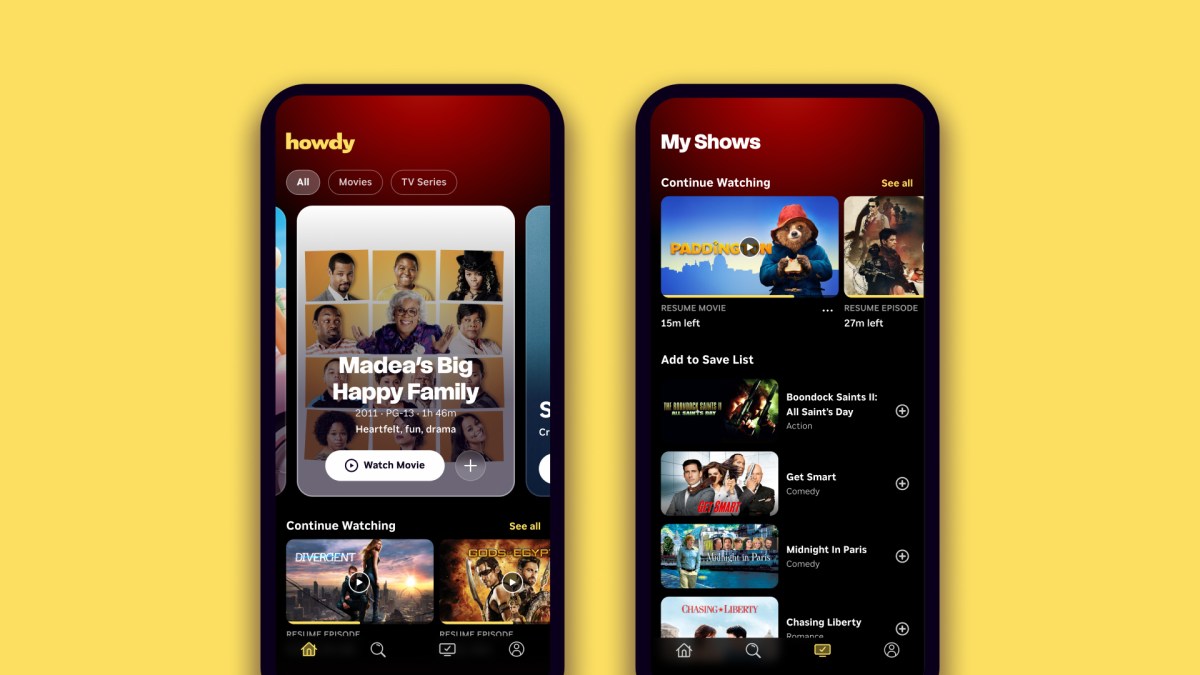
Roku’s $3 Howdy Streaming Service Hits 1M Subscribers: Cheap Streaming Just Got Better
Why would anyone pay for a $3 streaming service? The answer lies in simplicity, affordability, and a platform that meets a clear demand.
Roku’s Howdy, a $3-per-month ad-free streaming service, recently crossed the 1 million subscriber milestone, according to a recent report. This achievement isn’t just a number—it signals a shift in how consumers approach entertainment. With over 50 million monthly active users globally, Roku has carved a niche in the crowded streaming market by offering a budget-friendly option. Howdy’s success suggests that price-sensitive audiences are prioritizing cost without sacrificing quality, a trend that could reshape competitive strategies for other platforms.
The service’s low pricing is a deliberate move to undercut rivals like Netflix or Hulu, which often start at $6.99 or higher. Howdy’s model works because it’s not just cheap; it’s practical. It focuses on linear, on-demand content that aligns with users’ desire for straightforward, no-frills viewing. Unlike ad-supported tiers from larger platforms, Howdy eliminates interruptions, offering a premium experience at a fraction of the cost. This balance of affordability and user experience is a key factor in its rapid adoption.
Another angle to consider is how Roku leveraged its existing ecosystem. Howdy isn’t a standalone app but integrates with Roku’s devices, making it accessible to millions of smart TV and streaming device users. This built-in accessibility reduces friction, allowing users to switch seamlessly without needing to download a new app. It’s a smart play for a company that thrives on ecosystem loyalty.
The 1 million subscriber mark also reflects broader consumer behavior. As inflation and economic uncertainty persist, people are cutting back on discretionary spending. Services that offer value without financial strain are winning. Howdy’s appeal isn’t just about the price tag—it’s about solving a problem: access to entertainment without the guilt of overspending.
However, this isn’t a one-size-fits-all solution. Howdy’s content library, while functional, may not match the breadth of premium services. Its success hinges on delivering consistent, quality programming that justifies the subscription cost. For Roku, this means maintaining partnerships with content providers to ensure there’s enough to keep viewers engaged.
Looking ahead, Howdy’s growth could inspire competitors to reconsider their pricing models. The streaming wars have often been a battle of extravagance, but Howdy’s rise proves that simplicity and affordability can be equally powerful. It challenges the notion that high-frequency ads or exclusive content are prerequisites for subscriber growth.
For Roku, this milestone isn’t just a win—it’s a blueprint. By doubling down on low-cost, high-accessibility models, the company could expand Howdy’s reach globally, particularly in markets where disposable income is limited. It also opens doors for innovation, such as bundling Howdy with other Roku services or exploring tiered pricing for different regions.
In a market flooded with options, Howdy’s success is a reminder that sometimes less is more. A $3 subscription isn’t just a ticket to watch shows—it’s a vote for a more inclusive, user-centric approach to streaming. As the industry evolves, services that prioritize accessibility without compromising quality are likely to dominate the next phase of digital entertainment.
The question now is whether other platforms will follow suit. If Howdy’s model proves sustainable, it could signal the beginning of a new standard in streaming—one where cost isn’t a barrier but a driver of choice.






No Comments