

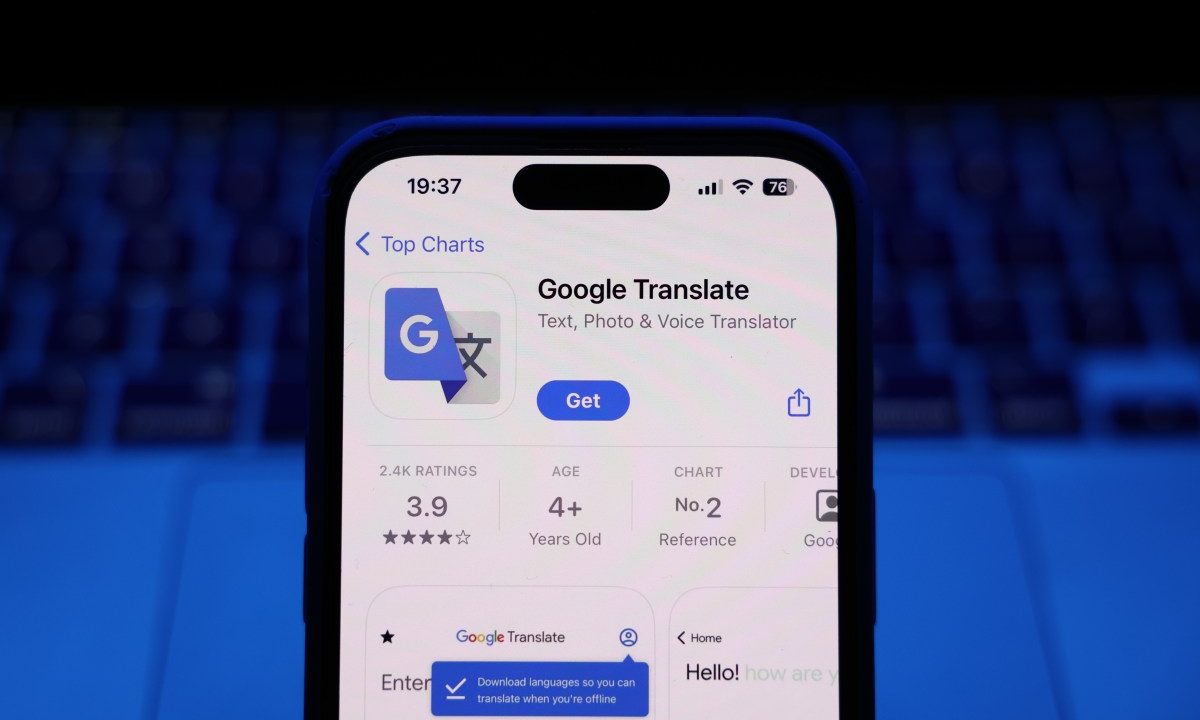
Google Translate Gets Real-Time Headphone Translations
Breaking language barriers on your iPhone just got revolutionary with Google Translate’s latest expansion.
In an increasingly globalized world where communication transcends borders, Google Translate continues to push the boundaries of linguistic technology with its real-time headphone translations feature, now making its debut on iOS devices and expanding to more countries worldwide. This innovative functionality leverages your smartphone’s microphone and earbuds to provide instant translations without awkward pauses or missed conversations, potentially transforming how we interact across different languages in our daily lives.
The newly expanded feature works as seamlessly as it sounds – simply put on your headphones and start speaking. The technology captures your words through your device’s microphone, translates them instantly, and plays back the translated version through your headphones, all while capturing and translating the speaker’s response back to your native language in real-time. This creates a natural, conversational flow that bridges language gaps previously impossible to overcome without human interpreters.
What sets this expansion particularly noteworthy is its accessibility beyond the Android ecosystem. iOS users have long awaited this functionality, and Google’s recent rollout demonstrates the company’s commitment to democratizing translation technology across platforms. The feature supports over 100 languages, covering most of the world’s commonly spoken languages and dialects, making it useful for travelers, business professionals, students, and anyone engaging with multilingual environments.
One of the most impressive aspects of this technology is its practical integration into everyday situations. Whether you’re negotiating a business deal, navigating a foreign country, communicating with colleagues, or simply having a conversation with someone who speaks a different language, the real-time translation capability eliminates the need for cumbersome translation apps or manual typing and copying. This hands-free, conversational approach mimics natural communication patterns while maintaining accuracy.
The expanded availability in additional countries reflects Google’s strategic approach to making powerful tools more globally accessible. This expansion not only benefits travelers but also supports local communities where multilingual communication is essential. For businesses operating internationally, this feature offers a cost-effective alternative to hiring human translators for basic communications, potentially opening doors to new markets and collaborations.
From a technological standpoint, the advancement in real-time translation algorithms deserves recognition. Early iterations of automated translation often produced disjointed, inaccurate results, but Google’s machine learning capabilities have significantly improved context understanding and conversational flow. The latest implementation demonstrates how far natural language processing has come, enabling more nuanced interpretations of idiomatic expressions and culturally specific references.
Privacy-conscious users will appreciate that Google has designed the feature to process most translations locally on the device, minimizing cloud transmission for sensitive conversations. This approach ensures that personal and professional exchanges remain secure while still taking advantage of Google’s advanced translation models when necessary.
As we continue to see breakthroughs in AI and machine learning, features like Google Translate’s real-time headphone translations represent a significant step toward a truly interconnected world without language barriers. The ongoing improvements to this technology suggest we can expect even more seamless, accurate translations in the near future, potentially integrating directly into other applications and services.
For anyone regularly communicating across language divides, this expansion comes as welcome news. The combination of convenience, accessibility, and improved accuracy makes real-time translation more practical than ever before. As Google continues to refine this technology, we’re reminded of how digital innovation can fundamentally transform how human beings connect and understand one another regardless of their native tongue.






No Comments