

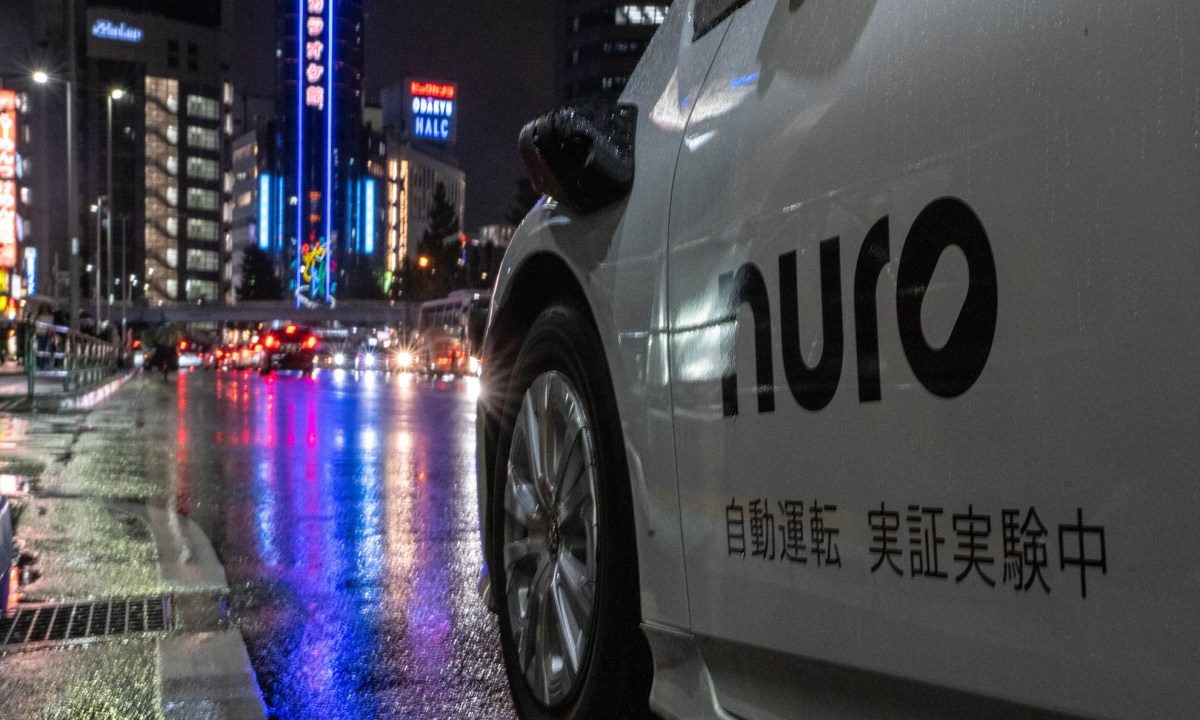
Nuro’s Autonomous Vehicles Hit Tokyo’s Roads
Self-driving delivery robots are now navigating the bustling streets of Tokyo, marking a significant expansion for Nuro’s autonomous technology.
Nuro, the Silicon Valley-based company specializing in autonomous delivery vehicles, has officially begun testing its technology in Tokyo, Japan. This marks a pivotal moment for the company, expanding its operational footprint beyond the United States and introducing its unique approach to autonomous delivery to a new, densely populated urban environment. The trials, conducted in collaboration with Japanese partners, are focused on assessing the vehicle’s performance in navigating complex urban landscapes, adhering to local traffic regulations, and interacting with pedestrians – all while delivering goods.
Why Tokyo? A Strategic Choice for Autonomous Testing
The selection of Tokyo isn’t arbitrary. It represents a deliberate strategic move by Nuro. Tokyo is renowned for its intricate road networks, high pedestrian traffic, and unique cultural nuances regarding personal space and interaction. Successfully navigating these challenges provides invaluable data and insights that can be applied to refine Nuro’s autonomous driving algorithms and ensure safe and reliable operation in diverse urban settings worldwide. The city’s advanced infrastructure, including its robust public transportation system and increasing adoption of smart city technologies, further enhances the suitability for autonomous vehicle testing.
Nuro’s Unique Approach: Purpose-Built Delivery Vehicles
What sets Nuro apart from other companies developing autonomous vehicles is its focus solely on delivery. Nuro’s vehicles, like the R2 and the newer Nuro X, are purpose-built for transporting goods, not passengers. This allows for a lighter, more efficient design, optimized for navigating narrow streets and maneuvering through crowded areas. The absence of passengers also simplifies the regulatory landscape, as the vehicles don’t require the same stringent safety standards as those carrying human occupants. The R2, in particular, is designed with a distinctive, approachable aesthetic, aiming to foster positive interactions with pedestrians. The Nuro X, a larger vehicle, expands the range of goods that can be delivered, from groceries to restaurant meals.
Testing in Collaboration: A Key to Success
Nuro isn’t entering the Japanese market alone. The company is working closely with local partners, including convenience store chains and other retailers, to integrate its delivery services into existing supply chains. This collaborative approach is crucial for understanding local consumer needs and ensuring that the autonomous delivery system seamlessly complements existing infrastructure. The partnerships also provide valuable feedback on the vehicle’s performance and identify areas for improvement. Furthermore, Nuro is actively engaging with Japanese regulatory bodies to ensure compliance with all applicable laws and regulations.
Navigating the Regulatory Landscape
Autonomous vehicle technology faces a complex regulatory environment globally, and Japan is no exception. Nuro is working diligently to navigate these regulations, demonstrating the safety and reliability of its vehicles through rigorous testing and data collection. The company is committed to transparency and collaboration with regulators, ensuring that its operations align with Japanese safety standards and societal expectations. This includes adhering to specific rules regarding vehicle speed, operational hours, and pedestrian interaction protocols.
The Potential Impact on Urban Logistics
Nuro’s presence in Tokyo has the potential to significantly impact urban logistics. Autonomous delivery vehicles can alleviate traffic congestion by reducing the number of delivery trucks on the road, particularly during peak hours. They can also improve efficiency by optimizing delivery routes and reducing labor costs. Furthermore, autonomous delivery can expand access to goods and services for individuals who may have limited mobility or live in areas with limited retail options. The technology could also contribute to a more sustainable urban environment by reducing emissions from delivery vehicles.
Looking Ahead: Expansion and Innovation
The Tokyo testing phase represents just the beginning for Nuro in Japan. The company plans to gradually expand its operations, incorporating feedback from the initial trials to refine its technology and services. Nuro is also committed to ongoing innovation, exploring new applications for its autonomous delivery vehicles and developing advanced features to enhance safety and efficiency. The company’s long-term vision includes integrating its delivery services into the fabric of Japanese urban life, transforming the way goods are transported and delivered throughout the country. The success in Tokyo will undoubtedly inform Nuro’s expansion strategies in other major global cities, solidifying its position as a leader in the autonomous delivery space.
Conclusion: A Glimpse into the Future of Delivery
Nuro’s foray into Tokyo’s streets isn’t just about testing autonomous vehicles; it’s about shaping the future of urban logistics. By tackling the unique challenges of a densely populated, technologically advanced city, Nuro is paving the way for a more efficient, sustainable, and accessible delivery ecosystem. The insights gained from this pilot program will be invaluable as Nuro continues to expand its global footprint and redefine the possibilities of autonomous delivery. It’s a compelling demonstration of how technology can adapt to and enhance the complexities of modern urban life.






No Comments