

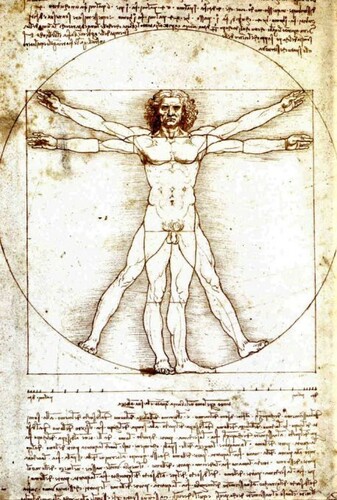
“Beyond Darwin: Why Human Freedom Defines Our Worth”
Are we just another animal in an endless chain of biological sameness? Or do we harbor something irreducibly human—something that makes us days, not nights, apart?
The tension between evolution’s stark materialism and Kant’s ideal of human autonomy lies at the heart of our identity. Darwin’s tree of life blurs species lines, suggesting we’re 98% chimpanzee, 90% cat. Yet this biological kinship, while true, risks eroding our claim to dignity. If humans are merely “advanced primates,” why should we hold ourselves to moral laws or risk imprisonment for wrongdoing? Why champion free speech over silencing hateful ideas, or oppose forced sterilization when species extinction looms?
Kant’s philosophy offers a radical counter-narrative. He argued humans aren’t victims of instinct but masters of choice. A lion charges by nature; a human chooses. A starving ant sacrifices without consent; a human can rebel, even unto death. This autonomy isn’t inherent biology—it’s a capacity we wield. Our dignity, Kant wrote, isn’t tied to perfection or divinity but to our power to act freely. Even in oppression, we’re not mere cogs in a machine.
This idea has real-world stakes. A world convinced of human animalhood might tolerate atrocities, from wartime violence to modern digital dehumanization. Rights become negotiable when we view ourselves as arbitrary organisms. But autonomy is the bedrock of universal human rights. If we can’t choose against our urges, why resist cruelty? Why protest?
The solution isn’t to deny evolution—it’s to embrace what it doesn’t erase: free will. We’re biological, but biology isn’t destiny. Our unique ability to reflect, choose, and act against self-interest distinguishes us. Even as we share genes with worms, our moral autonomy makes us singular.
In an age of algorithmic tribalism and climate despair, this truth is urgent. We’re not just biological entities to be governed by nature’s hard hand. We’re moral agents, capable of redefining our purpose. That freedom isn’t a flaw—it’s ourdestiny.
Need more? Subscribe to our newsletter for weekly philosophy wrapped in algorithm-friendly packaging. Or join us on Apple News for curated insights on the human condition.
Your thoughts? Let’s discuss human freedom’s limits—and why they matter.






No Comments