

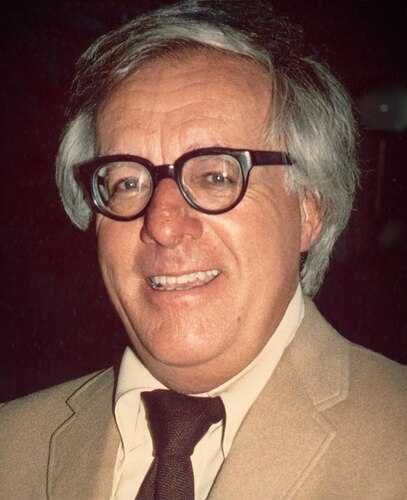
August 22 and the paradox of rules we write while bleeding: law meets Ray Bradbury.
We set limits on cruelty in war yet wage war, holding both poison and promise in the same hand.
On August 22, two unlikely twins appear in history: the first Geneva Convention, born in 1864 to steady the wounded in fields where men fall, and Ray Bradbury, born in 1920, who saw that humans rot and glow in equal measure. What binds them is not a date but a shared act of stubborn hope: we try to be shepherds even after we learn how to kill. Ten articles grew into sixty-four, twelve states into almost two hundred, and still the law bends under fire because our noblest codes ride on the back of our ugliest habits.
The Conventions ask us to harm just enough and honor the enemy as a friend, echoing chivalry, Christ, and Kant’s command that no person be a tool. Yet if we believe we are infinitely valuable, why do battles happen at all? Because goodness without the knowledge of cruelty has no texture. Marcus Aurelius wrote of dignity while ordering villages burned; knights preached love on roads to blood; the Red Cross rose from fields we scorched. Our highest vows sprout in mud.
Bradbury knew this anatomy. He wrote like a child because children carry both ruin and grace in one palm. His villains ache for the same light as his heroes, proof that we are made of angel-stuff even as we break it. If the Conventions vanished tomorrow, we would need a writer like him to reinvent them, stitching mercy back into muscle memory.
On the day we celebrate both, we admit we are the evil men trying hard. Birthday to law that refuses to surrender and to stories that refuse to let us look away.







No Comments