

The Dual Legacy of DNA: Discovery and Controversy
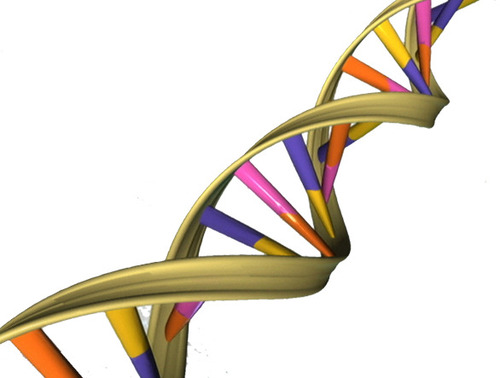
The discovery of DNA’s double helix structure marked both a triumph of science and a complicated chapter in scientific history.
The revelation of DNA’s double helix structure in 1953 was a pivotal moment that ushered in the era of genetic engineering and sequencing, forever changing the landscape of biology and medicine. This discovery, credited primarily to James D. Watson and Francis Crick, was both celebrated and controversial. Watson’s book, “The Double Helix,” offers an engaging, if sometimes contentious, account of this scientific adventure.
Despite its popularity, the book has faced criticism, particularly from Crick himself, who described it as “a contemptible pack of damned nonsense.” Watson’s narrative highlights the intense competition and personal dynamics within the scientific community. He presents himself and his colleagues with unfiltered honesty, often at the expense of others, especially Rosalind Franklin, whose crucial X-ray crystallography work was undervalued.
The impact of this discovery extends far beyond the scientific community. It has enabled advancements such as DNA fingerprinting for crime solving, early detection of hereditary diseases, and the development of genetically modified crops. However, it has also raised ethical concerns, from the engineering of deadly pathogens to the potential for human cloning.
James Watson himself embodies the complex relationship between scientific genius and intellectual myopia. While his scientific contributions are undeniable, his public statements on social and political issues have often been criticized for their lack of depth and sensitivity. This discrepancy illustrates a broader issue in modern science: the potential disconnect between scientific expertise and broader societal understanding.
Hermann Hesse’s novel “The Glass Bead Game” offers a philosophical perspective on this dilemma. Hesse proposes that scientists should balance their technical pursuits with spiritual and meditative practices, suggesting a more holistic approach to knowledge and its application. This idea raises questions about the role of scientists in society and whether a more balanced, contemplative approach to scientific advancement could lead to more ethical and beneficial outcomes.
As we continue to harness the power of DNA and genetic engineering, it is crucial to consider the ethical implications and ensure that scientific progress is accompanied by thoughtful reflection and broad societal engagement. The legacy of DNA’s discovery reminds us that scientific breakthroughs are not just technical achievements but also reflections of human nature and society’s values.






No Comments