

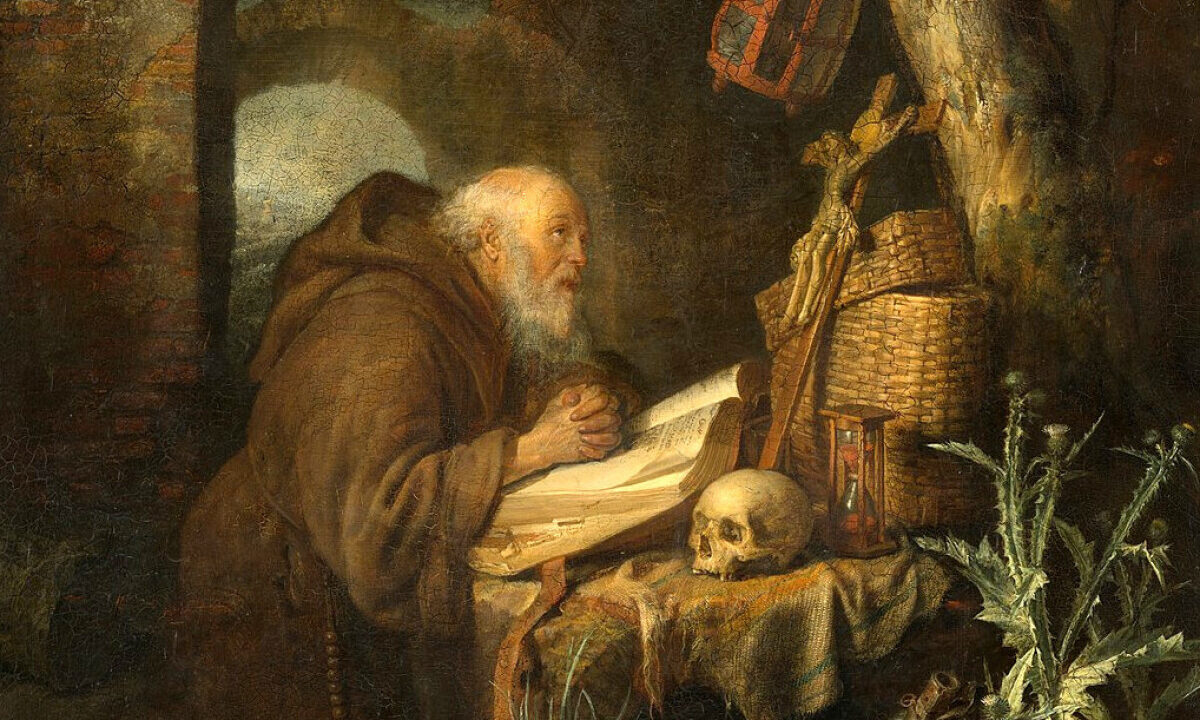
The Timeless Quest of Hermits: Solitude, Meaning, and Modern Lessons
A lone wanderer’s story reveals why retreating from society still captivates the human heart.
Across centuries and continents, hermits have embodied a radical alternative to the hustle of communal life. From Diogenes in a barrel to today’s Hikikomori, the solitary path surfaces whenever the structures of power, competition, and materialism feel oppressive. Philosophers and mystics alike have asked: is isolation an escape from trauma, or a purposeful journey toward deeper fulfillment?
Why People Choose the Hermit Path
Human societies are built on hierarchies, wealth accumulation, and relentless competition. Conventional routes out of this “systemic misery” include climbing the ladder, launching revolutions, or retreating into private homesteads. Yet each option either reinforces the same power dynamics or demands a compromise with the very order it critiques. The hermit’s answer is starkly different: withdraw entirely and craft a life guided by inner values rather than external expectations.
Historical Roots and Cultural Variations
The term “hermit” derives from the Greek eremites—the desert dweller. Early Christian figures like St. Paul of Thebes fled urban life to seek divine proximity, setting a precedent for solitude as spiritual discipline. In Eastern traditions, solitude is woven into life stages. Hinduism outlines the Vanaprastha (hermit) phase, where elders renounce worldly duties for forest retreat, followed by Sannyasa, the final renunciation of all attachments. This fluid progression respects the evolving needs of a person, contrasting with Western models that often demand lifelong celibacy or early withdrawal.
Chinese hermit traditions illustrate another spectrum: from impoverished mountain dwellers cultivating their own food to affluent scholars who, while living in comfort, pursued artistic refinement in secluded studios. Even literary works like Dream of the Red Chamber depict aristocratic families keeping hermits as symbols of refined detachment.
Modern Reflections and the Future of Solitude
Contemporary hermits, such as New Hampshire’s “River Dave,” remind us that isolation can be both a refuge and a source of lingering longing. His confession—questioning whether his decades of solitude were “for nothing”—highlights the tension between fleeing pain and seeking purpose. Yet the hermit tradition also includes visionary figures like Brendon Grimshaw, who spent years reforesting a remote island, demonstrating that solitude can fuel ecological stewardship and personal growth.
What We Can Learn Today
The hermit’s legacy challenges us to reconsider our relationship with society. Rather than viewing solitude as mere escapism, we might see it as a deliberate practice of self‑knowledge, a counterbalance to the alienation described by Marx and Erich Fromm. In a world saturated with noise, the hermit’s quiet resilience offers a blueprint for cultivating inner peace, intentional living, and, ultimately, a more humane engagement with the world.
By revisiting the diverse stories of hermits—from ancient deserts to modern forests—we uncover a timeless invitation: to pause, reflect, and perhaps, for a season, step away from the crowd in search of a deeper, more authentic happiness.







No Comments