

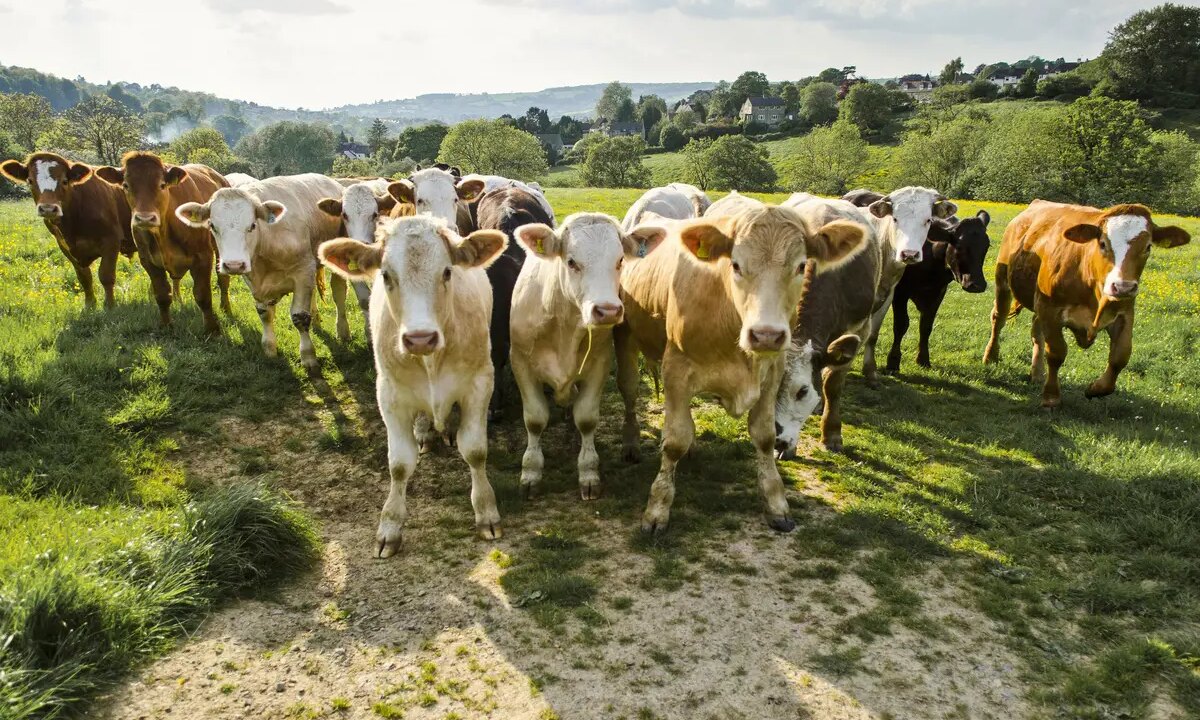
The Trolley Problem, a thought-provoking ethical dilemma, has been a staple of philosophical debates for decades. The classic scenario presents a difficult choice: divert a runaway trolley to a track where it will kill one person or do nothing, allowing it to kill five people. However, a fascinating variation of this problem has emerged, replacing the five people with cows. This “Cow Trolley Problem” challenges us to re-examine our values and moral principles, particularly in regards to the comparison between human and animal lives.
At its core, the Cow Trolley Problem asks: is there a value of n cows for which you would pull the track switch, diverting the trolley to kill one person? This question sparks a utilitarian versus deontological ethics debate, where the former prioritizes the greater good and the latter upholds moral principles, such as not actively causing harm. Philosophers like Peter Singer argue that animal interests should be given equal consideration to humans, criticizing speciesism and the inherent valuation of human lives over animal lives.
The introduction of personal relationships, attributes, and dietary ethics further complicates the dilemma. If the person on the track is a loved one, a criminal, or a vegan, does that change the moral calculation? The vegan perspective, in particular, adds a new dimension, as they may argue that animal lives are equally valuable to human lives. This raises questions about the moral imperative to save the cows and the potential impact of personal beliefs on ethical decision-making.
The complexity of the Trolley Problem lies in its refusal to provide clear-cut answers. Instead, it challenges us to grapple with our moral intuitions, ethical principles, and societal norms. Is there a value of n cows above which you would pull the switch? Would it be justified to kill one person to save a large number of cows, or would any such calculation inherently devalue human life? The evolving nature of ethical dilemmas, as highlighted by the many variations of the Trolley Problem, emphasizes the need for ongoing reflection and discussion.
Ultimately, the Cow Trolley Problem invites us to question our values and the frameworks we use to assess moral dilemmas. It forces us to confront the difficult, often uncomfortable, choices we must make and encourages us to consider the intersections of ethics, morality, and personal relationships. As we navigate the complexities of modern life, the Trolley Problem serves as a thought-provoking reminder of the importance of critical thinking, empathy, and nuanced ethical decision-making. So, how many cows would it take for you to switch the lever? The answer, much like the problem itself, remains a deeply personal and philosophical conundrum.
https%3A%2F%2Fdaily-philosophy.com%2Fwarfield-how-many-cows%2F






No Comments