

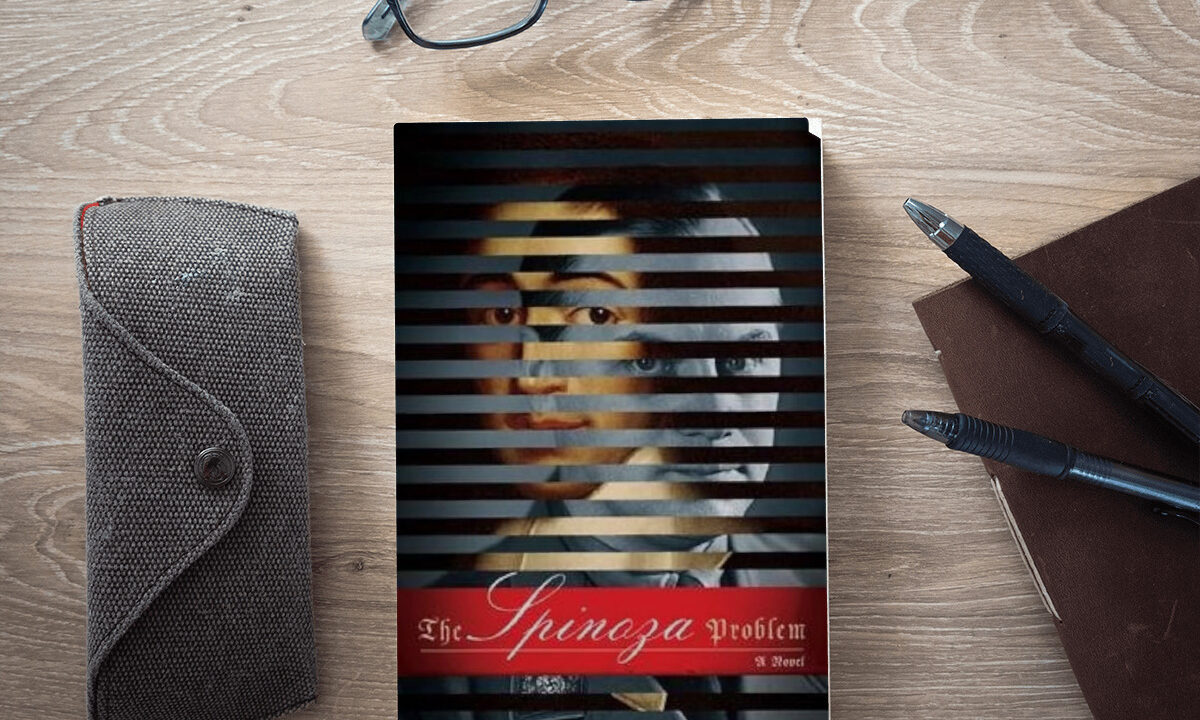
In the realm of philosophy, few stories are as captivating as the one masterfully woven by Irvin Yalom in “The Spinoza Problem: A Novel”. This book intertwines the lives of two men, separated by centuries, yet connected by the threads of philosophy and ideology. On one hand, we have Baruch Spinoza, the 17th-century Jewish philosopher known for his radical ideas on God and the universe. On the other, we have Alfred Rosenberg, a Nazi officer who became obsessed with understanding how a Jewish man like Spinoza could produce such profound thoughts.
Yalom’s novel explores the “Spinoza problem” through Rosenberg’s eyes, who is astonished that a Jewish man could influence giants like Goethe. This fixation stems from Rosenberg’s deep-seated anti-Semitism, which leads him to question how someone of Jewish descent could possess such genius. As Rosenberg delves deeper into Spinoza’s life and works, he becomes increasingly entangled in a web of cognitive dissonance, struggling to reconcile his own biases with the reality of Spinoza’s intellectual prowess.
In contrast, Spinoza’s story is one of free and universal ideas that have resonated throughout the centuries. His excommunication from the Jewish community, known as “cherem”, is a pivotal event in the novel, highlighting the tension between Spinoza’s actions and the expectations of his community. Yalom’s portrayal of Spinoza’s character and thoughts offers a glimpse into the philosopher’s radical approach to religion and God, which challenged traditional beliefs and led to his exclusion from the Jewish community.
Through the lives of these two men, Yalom raises profound philosophical questions about identity, community, and the power of ideas. The novel is a testament to the enduring legacy of Spinoza’s thoughts, which continue to inspire and provoke readers to this day. As Israel’s first Prime Minister, Ben-Gurion, noted, Spinoza’s works are timeless and universal, and his exclusion from the Jewish community was a mistake that has been rectified over time.
Yalom’s narrative style, while intellectually stimulating, may pose challenges for some readers due to its reliance on philosophical discourse and uneven pacing. However, the novel’s strengths lie in its thought-provoking exploration of the human condition, identity, and the complexities of philosophical thought. As we reflect on the lives of Spinoza and Rosenberg, we are reminded that the pursuit of knowledge and understanding is a lifelong journey, one that requires us to confront our own biases and assumptions in the face of profound ideas and perspectives. Ultimately, “The Spinoza Problem” is a novel that will leave readers pondering the significance of Spinoza’s legacy and the enduring power of his ideas to inspire and challenge us today.
https%3A%2F%2Fdaily-philosophy.com%2Fkarakus-review-the-spinoza-problem%2F







No Comments