

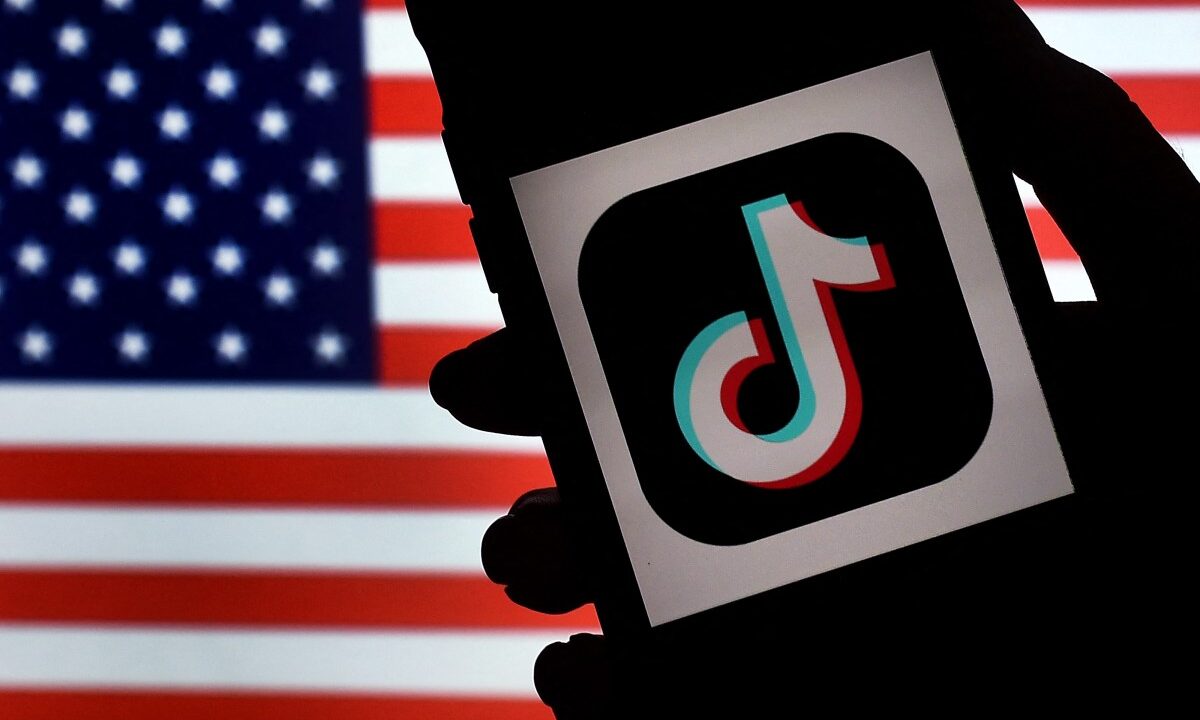
TikTok’s Turbulent Journey in the U.S.: A High-Stakes Battle for the Future of the App
TikTok, the wildly popular social media app owned by Chinese company ByteDance, has been at the center of a firestorm in the U.S. for over four years. At the heart of the controversy is a pressing question: Can TikTok operate in the U.S. without posing a risk to user data and national security? This question has sparked a series of dramatic events, including legal battles, political interventions, and intense investor interest. As of now, the app’s fate in the U.S. remains uncertain, but one thing is clear: The stakes have never been higher.
The Ongoing Regulatory Battle
The drama began in August 2020, when former President Donald Trump signed an executive order to ban transactions with ByteDance, citing concerns that TikTok could share user data with the Chinese government. The move was part of a broader campaign to address perceived threats from Chinese tech companies. This led to a chaotic series of events, including a temporary ban, legal challenges, and a frantic search for a U.S.-based buyer.
Under the Biden administration, the issue resurfaced with renewed vigor. In 2024, Congress passed the Protecting Americans from Foreign Adversary Controlled Applications Act (PAFACA), colloquially known as the “TikTok ban.” The bill required TikTok to either sell its U.S. operations or face a complete shutdown. TikTok responded by suing the U.S. government, arguing that the ban violated its First Amendment rights and that it had done nothingwrong. The company insisted that its data storage practices in the U.S. were compliant with local laws.
In a surprising twist, Trump, who had once been a vocal critic of TikTok, appeared to soften his stance. In December 2024, he filed a court document suggesting he might support a solution to keep the app operational in the U.S. This shift marked a turning point in the saga, as it signaled that a deal might be possible.
A Potential Sale and Investor Interest
As the legal and political battles raged on, a number of high-profile investors and companies emerged as potential buyers for TikTok’s U.S. operations. If a deal is reached, CFRA Research estimates that the valuation of TikTok’s U.S. business could surge to as much as $60 billion. The list of interested parties is both impressive and eclectic, featuring tech giants, investors, and even celebrities.
The People’s Bid for TikTok, led by Frank McCourt, the former owner of the Los Angeles Dodgers, has positioned itself as a unique option. This consortium, which includes Alexis Ohanian (Reddit co-founder), Kevin O’Leary (Shark Tank personality), and Tim Berners-Lee (inventor of the World Wide Web), has emphasized a commitment to privacy and data control. Their approach includes making TikTok’s algorithms open source, a move aimed at addressing security concerns while empowering users.
Another group, led by Jesse Tinsley, CEO of Employer.com, has offered a $30 billion all-cash deal. This consortium includes Nathan McCauley (co-founder of Anchorage Digital), David Baszucki (Roblox co-founder), and even YouTube star MrBeast (Jimmy Donaldson). Their involvement highlights the appeal of TikTok’s massive user base and its potential for growth.
Other contenders include Oracle, which has long been a favorite to serve as TikTok’s cloud technology partner, and Amazon, which recently entered the fray. Microsoft, Walmart, and a host of other companies have also expressed interest, each bringing its own vision for the app’s future.
A Framework for the Future
In recent weeks, progress appears to have been made. A “framework” deal between the U.S. and China has reportedly been established, paving the way for a potential resolution. Under this framework, a consortium of U.S. investors, including Oracle and Silver Lake, could oversee TikTok’s U.S. operations. The arrangement would give ByteDance a minority stake (around 19.9%), with American investors holding a majority.
President Trump has reportedly pushed for a 50-50 ownership split, though it remains to be seen if this will be the final terms of any deal. For now, TikTok has been granted a temporary reprieve, with Trump delaying the ban by 75 days to allow negotiations to continue.
The Bigger Picture
At its core, the TikTok controversy reflects a broader debate about the role of foreign-owned tech companies in the U.S. and the balance between national security and free expression. TikTok has become a cultural phenomenon, with over 150 million active users in the U.S. alone. For millions of creators, businesses, and everyday users, the app is more than just a platform—it’s a lifeline.
The outcome of this saga will have far-reaching implications. If TikTok is forced to shut down or sell its U.S. operations, it could set a precedent for how foreign tech companies operate in the U.S. On the other hand, if a deal is reached, it could pave the way for a new model of international cooperation in the tech industry.
The Road Ahead
As the situation continues to unfold, one thing is clear: TikTok’s future in the U.S. is still very much up in the air. While a deal seems closer than ever, there are no guarantees. The app’s ability to navigate this treacherous landscape will depend on its ability to address security concerns, satisfy regulators, and find a ownership structure that works for all parties involved.
For users, creators, and investors alike, the stakes couldn’t be higher. Whatever the outcome, one thing is certain: The story of TikTok in the U.S. is far from over.





No Comments