

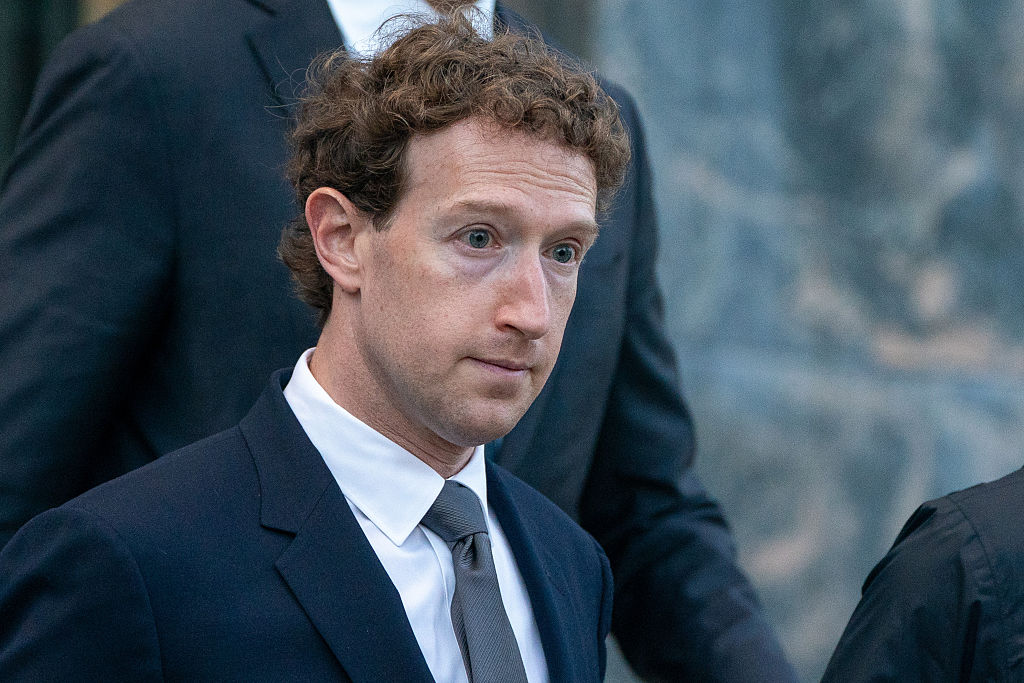
Zuckerberg Grilled in Court: Social Media’s Toll on Teens
As legislators press the Meta CEO on alleged teen mental‑health damage, the courtroom drama reveals wider stakes for digital platforms.
The hearing turned the spotlight on a growing body of research linking excessive social media use to anxiety, depression, and disrupted sleep among adolescents. Plaintiffs presented internal Meta documents suggesting the company was aware of these risks yet continued to prioritize engagement metrics over child well‑being.
Zuckerberg’s testimony was a masterclass in damage control. He acknowledged the platform’s “complex impact” on youths, pledged new safeguards, and defended the business model that fuels ad revenue. Yet his assurance that “progress is being made” rang hollow to many observers who point to stagnant policy changes despite years of heightened scrutiny.
Lawmakers from both parties seized the moment to demand transparency, asking pointed questions about algorithmic amplification, data collection practices, and the effectiveness of existing parental controls. Their grilling underscored a bipartisan consensus: unchecked platform practices pose a public health concern that may require legislative intervention.
Digital health experts weighed in, citing peer‑reviewed studies that correlate heavy social media consumption with a 34% increase in depressive symptoms among teens. They emphasized that correlation does not equal causation but warned that design features—endless scrolling, like‑driven validation, and curated content feeds—create feedback loops that can exacerbate self‑esteem issues.
From a legal perspective, the case could set a precedent for how regulators evaluate platform liability. Potential outcomes include mandatory age‑verification systems, stricter content‑moderation timelines, and financial penalties tied to measurable harms. Such measures would represent a shift from voluntary industry pledges to enforceable standards.
Meta’s response hints at a multi‑pronged strategy: expanding the “Family Hub” feature, investing in AI‑driven content filters, and launching an education campaign aimed at parents and educators. While these steps signal acknowledgment of the problem, analysts caution that structural changes will be needed to curb profit‑driven incentives that prioritize user time over wellbeing.
Beyond Meta, the proceedings have reignited debates about the broader ecosystem of digital platforms. TikTok, Snapchat, and YouTube face similar scrutiny, and the outcome may ripple across the industry, prompting a wave of regulatory proposals targeting algorithmic transparency and user‑age protections.
For teens and their guardians, the courtroom drama serves as a wake‑up call. Media‑literacy programs are gaining renewed funding, and parents are advised to monitor screen time, foster open dialogue about online experiences, and encourage offline activities that promote mental resilience.
In sum, Zuckerberg’s courtroom grilling is more than a headline—it is a catalyst for a necessary conversation about the hidden costs of our digital lives. Whether policymakers translate this momentum into concrete reforms remains to be seen, but the push for accountability marks a pivotal moment in safeguarding the next generation’s mental health.







No Comments