

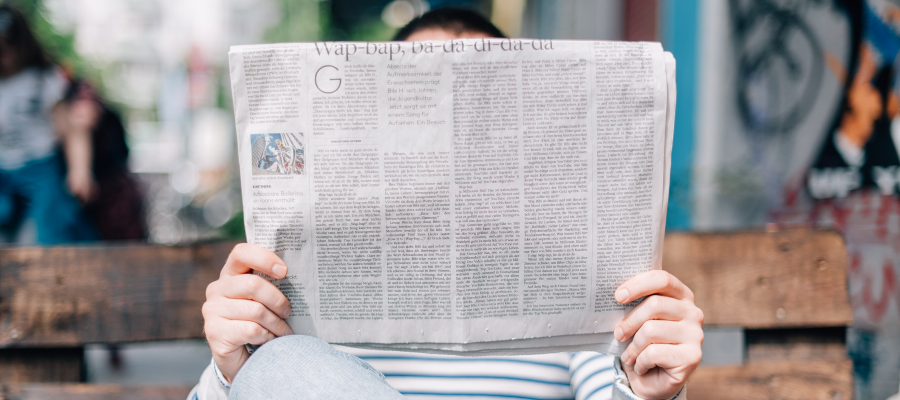
Global Fight Against Fake News Worsens
Malaysia’s bold new law criminalizes the creation and spread of misinformation, raising urgent questions about truth, freedom, and the technology shaping our future.
We often treat information as harmless, but it is the currency of reality. As the global panic over “fake news” accelerates, Malaysia has just turned up the heat, passing legislation that threatens jail time for both creating and spreading misleading content. This isn’t solely an American dilemma; it is a global crisis of trust, threatening to erode the very foundations of an informed society.
The core psychological struggle here is our vulnerability to confirmation bias—the tendency to accept information that fits our worldview, regardless of its accuracy. In the digital age, algorithms amplify this flaw, feeding us an endless loop of our own beliefs. When a government steps in to police this space, it highlights a terrifying paradox: in our desperate search for truth, we may sacrifice the freedom of expression that allows us to find it.
For the technology expert, this signals a pivotal shift. The era of the “Wild West” internet is ending. We are moving toward a hyper-regulated digital landscape where liability is defined by law. The cognitive dissonance we experience when an echo chamber is shattered is now a legal matter.
From a leadership perspective, this legal crackdown forces us to ask a difficult question: Should we rely on the state to curate our reality? True resilience comes not from censorship, but from cultivating intellectual humility. It requires the discipline to question our own reactions and the courage to seek diverse, uncomfortable perspectives.
Malaysia’s move is a canary in the coal mine. As digital walls close in, the responsibility falls on us as individuals to become better arbiters of truth. We must sharpen our critical thinking, because the cost of ignorance is no longer just being wrong—it is becoming a criminal.





No Comments