

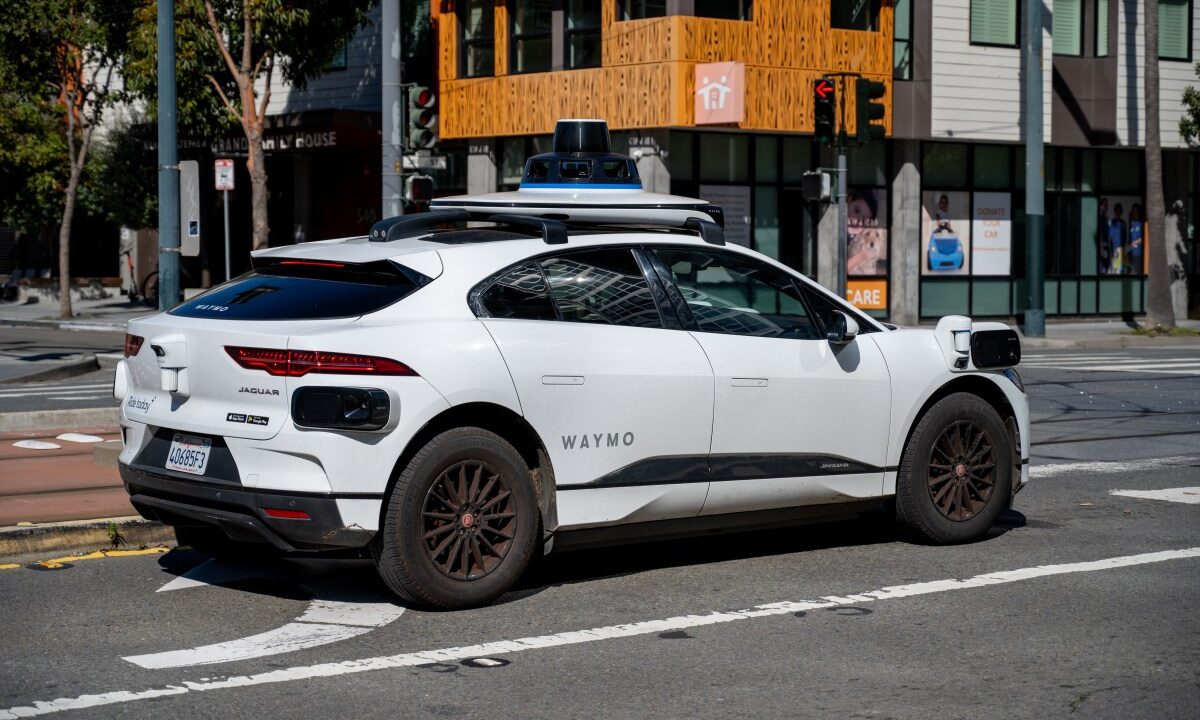
Waymo, Alphabet’s autonomous vehicle subsidiary, has secured a significant milestone in its quest to expand its self-driving services. The company has been granted a permit to begin testing its autonomous vehicles (AVs) at San Francisco International Airport (SFO), a major step toward launching a commercial service at one of the busiest airports in the U.S. This move comes on the heels of a similar approval at San Jose Mineta International Airport, signaling Waymo’s aggressive push into the aviation transportation sector.
### A Strategic Expansion for Waymo
SFO is not just any airport—it’s the primary hub serving Silicon Valley, the epicenter of tech innovation and Waymo’s home base. Securing permission to operate at SFO has been a long time coming. The airport initially rejected Waymo’s overtures in 2023, but the relationship has since thawed. Earlier this year, Waymo was granted permission to map the airport, a critical precursor to launching operations. Now, with the Testing and Operations Pilot Permit in hand, the company is set to begin a phased rollout of its services.
The permit outlines three distinct phases of testing and operation. In the first phase, Waymo will test its AVs in autonomous mode, with a trained specialist behind the wheel to monitor operations. This phase is designed to ensure safety and efficacy in a live airport environment. The second phase will expand testing to include passenger service, but initially only for airport employees and staff. This phase will help Waymo fine-tune its operations and gather feedback from real users in a controlled setting.
The third and final phase is the most significant: offering paid rides to the general public. At this stage, Waymo plans to provide pickups and drop-offs at SFO’s “Kiss & Fly” area, a location that requires an AirTrain ride to access the terminals. The company has indicated that this is just the starting point and plans to explore additional locations within the airport as it gains more experience.
### Timing and Future Plans
While Waymo has confirmed that testing will begin “very soon,” the company has not provided a specific timeline for the rollout of each phase. The transition to paid rides will occur on a “month-to-month” basis as Waymo works with airport officials to secure a sustained commercial operations permit. This cautious approach reflects the complexities of operating in a high-stakes environment like an airport, where safety and efficiency are paramount.
Waymo’s expansion into SFO is part of a broader strategy to increase its presence in Silicon Valley and beyond. After launching its airport service at Phoenix Sky Harbor in 2023, the company has been actively expanding to new cities and forming partnerships with major players like Uber. Its ability to secure permits at multiple airports in rapid succession underscores its growing momentum in the autonomous vehicle space.
### The Bigger Picture
The rollout at SFO is more than just a local development—it’s a bellwether for the future of autonomous transportation. Airports are critical nodes in the transportation network, serving millions of travelers every year. For autonomous vehicle companies, they represent a unique opportunity to demonstrate the safety and convenience of their technology in a controlled, high-demand environment.
Moreover, Waymo’s push into airports comes as the broader autonomous vehicle industry is gaining traction. With companies like Tesla and others vying for a share of the ride-hailing market, the competition is heating up. Waymo’s early mover advantage and technological leadership give it a strong position, but the road ahead will require continued innovation and regulatory collaboration.
### A Win for Consumers and the Industry
For travelers, the prospect of autonomous airport shuttles offers a glimpse into a future where transportation is safer, more efficient, and more accessible. Imagine hopping into a self-driving car after a long flight, sans the hassle of parking, traffic, or the expense of a traditional ride-hailing service. This vision is still in its early stages, but Waymo’s progress at SFO brings it one step closer to reality.
As Waymo and other companies continue to push the boundaries of autonomous technology, the aviation and transportation sectors will likely see transformative changes. For now, the focus remains on testing, refining, and demonstrating the viability of these systems. But the long-term potential is clear: autonomous vehicles have the power to revolutionize the way we travel, and airports like SFO are emerging as key testing grounds for this revolution.
In the coming months, all eyes will be on Waymo as it begins its operations at SFO. Success here could pave the way for further expansion and set a new standard for autonomous transportation in the U.S. and beyond. For travelers, investors, and tech enthusiasts alike, this is a story worth watching.






No Comments