

Southwest’s Seat Change: End of an Era?
The beloved free-for-all boarding policy at Southwest Airlines has officially ended, marking a significant shift for the carrier and its passengers.
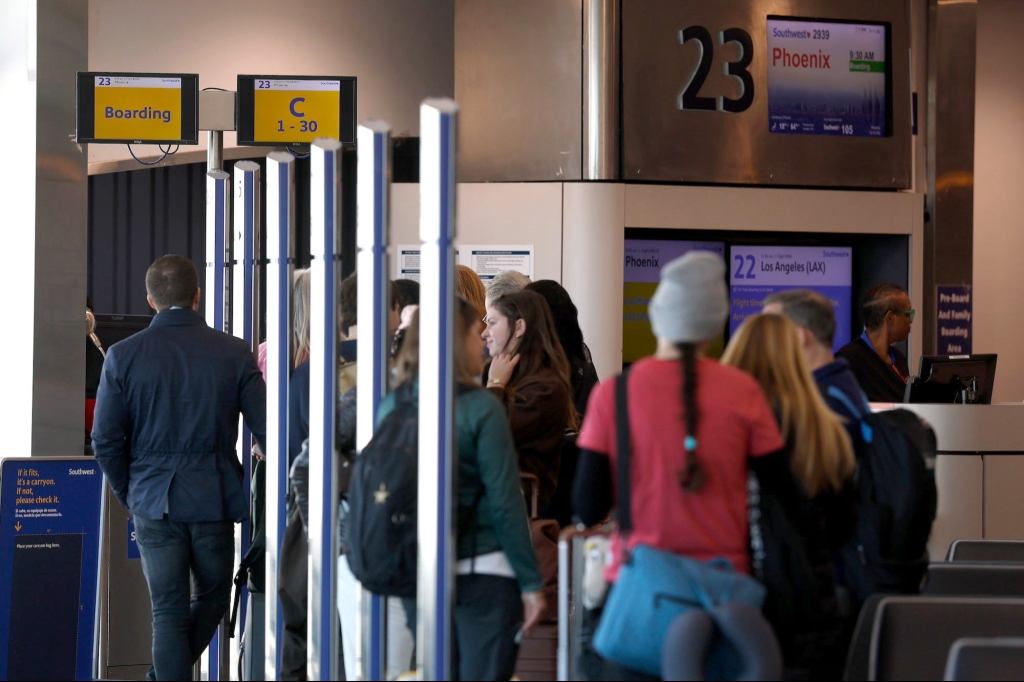
For half a century, Southwest defined itself with its open seating—a chaotic, yet often endearing, rush to claim the best available spot. That era concluded this week with the introduction of assigned seating across the airline’s fleet, celebrated with fanfare at initial launch locations in Chicago and Orlando. This isn’t merely a logistical change; it’s a fundamental alteration to the Southwest experience.
The new system introduces three seat tiers: standard, preferred, and extra legroom, with premium options commanding a substantial price increase. Southwest frames this as a customer-centric move, responding to desires for reduced boarding stress and a more predictable travel experience. Revenue generation is, of course, a key driver.
However, the transition isn’t without its detractors. Long-time loyalists lament the loss of Southwest’s unique, “scrappy” identity, viewing the change as a surrender to industry norms. The seat scramble, while stressful for some, fostered a sense of community and a distinct brand personality.
The shift highlights a broader tension in the airline industry: balancing customer convenience with brand identity and revenue optimization. While assigned seating may appeal to a wider audience and streamline the boarding process, it risks eroding the very qualities that made Southwest stand out. Ultimately, the success of this change will depend on whether Southwest can retain its core values while adapting to evolving passenger expectations and a competitive market.








No Comments