

The Great Uncrustables Debate: When Food Meets Intellectual Property
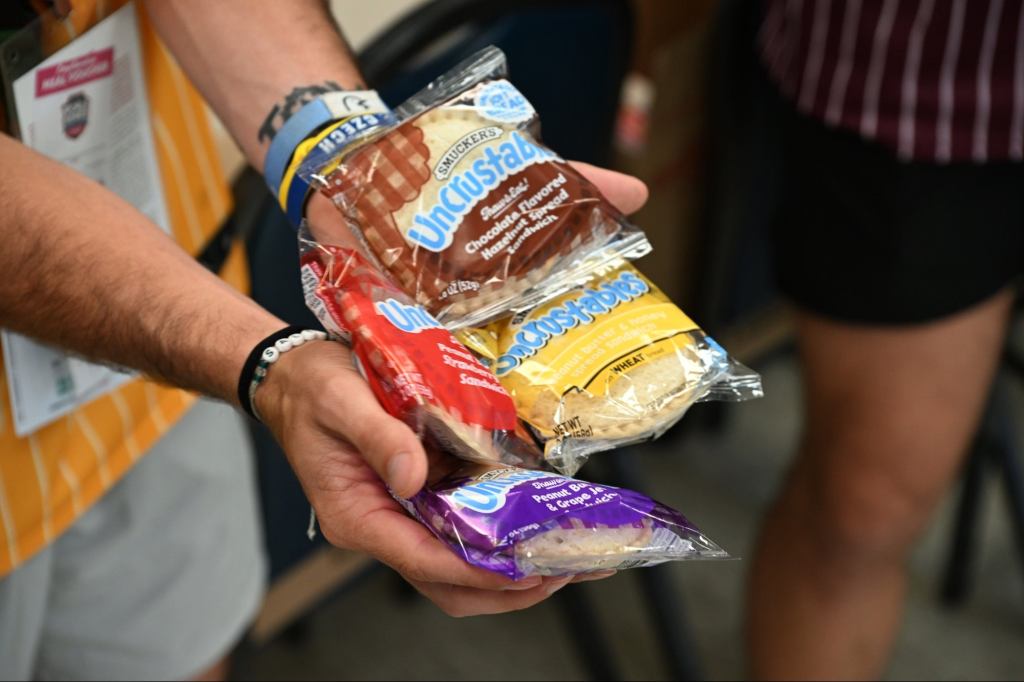
In the world of convenient snacks, few products have captured the hearts—and lunchboxes—of Americans quite like the Uncrustables, a brand synonymous with crustless, thaw-to-eat peanut butter and jelly sandwiches. Now, the beloved snack finds itself at the center of a heated legal battle between its creator, The J.M. Smucker Co., and Trader Joe’s, a retailer known for its creative twists on popular foods. The issue? Alleged trademark infringement over Trader Joe’s newest addition: a strikingly similar round, crustless sandwich.
Smucker’s, the parent company behind Uncrustables, has invested over a billion dollars in developing and marketing the iconic product since its debut in 2000. What sets the Uncrustables apart is not just its taste but its distinctive design—a round, pie-like shape with crimped edges and a bitten-into look that reveals the filling inside. These features, according to Smucker’s, are not just aesthetic but are trademarked intellectual property that Trader Joe’s has allegedly replicated without permission.
While it’s impossible to trademark a sandwich itself, the law does allow for the protection of specific shapes, configurations, and packaging. Smucker’s argues that Trader Joe’s has not only copied the design but also threatens to confuse consumers and undercut the value of its brand. The company emphasizes that it doesn’t object to competitors selling similar crustless, frozen, thaw-and-eat sandwiches—it does, however, draw the line at what it considers blatant misuse of its protected intellectual property.
For its part, Trader Joe’s has yet to comment on the lawsuit, but some analysts speculate that its defense might hinge on subtle differences in its product’s design, such as a potentially more square shape. The case raises interesting questions about the balance between innovation and imitation in the food industry, as well as the limits of intellectual property law in protecting unique product designs.
As the legal drama unfolds, it serves as a reminder of how deeply intertwined branding, creativity, and legality are in shaping the products we love. Whether you’re a parent packing lunchboxes or a snack enthusiast, this case offers a fascinating glimpse into the high stakes of food branding—and the lengths companies will go to protect their culinary creations.







No Comments