

Your Home: The Data Castle Under Digital Siege
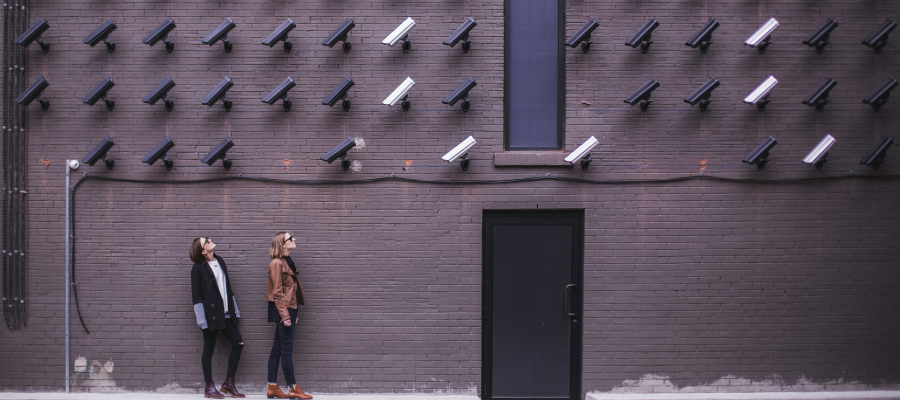
Your home is no longer a private castle, but a data-rich zone under constant digital observation.
Once a sanctuary of absolute privacy, our homes have been fundamentally redefined. For generations, “a man’s home is his castle” meant an impenetrable refuge from the outside world. Today, that fortress has been breached—not by force, but by our own desire for convenience. Smart speakers, thermostats, TVs, and even refrigerators are constantly listening, learning, and sharing our intimate details, creating a digital perimeter that is invisible yet pervasive.
This shift from brick-and-mortar privacy to data vulnerability represents a profound psychological transformation. The true concern isn’t just advanced surveillance technology; it’s our collective apathy. We trade personal data for seamless experiences, often without reading the terms or understanding the long-term cost of this digital barter. Our homes now generate a digital exhaust of habits, conversations, and preferences, creating a permanent record of our private lives. This isn’t the hostile intrusion of a burglar, but a normalized, systemic erosion of the very concept of a private sphere, orchestrated by the tools we welcomed in.
Reclaiming our digital sovereignty requires a conscious act of defiance against the default settings of modern life. We must become intentional architects of our own privacy. This begins by critically auditing the devices within our walls and asking what we are implicitly agreeing to. From adjusting smart device permissions to establishing firm “no-tech” zones, we can redefine the boundaries of our digital castle. The goal isn’t to become a Luddite, but to be an empowered user who understands the new rules of engagement.
Ultimately, we face a choice: remain passive occupants in a data-mined territory or become active guardians of our personal domain. The constable of old may no longer be the primary concern, but the responsibility to protect our home now rests with us. It is time to treat our privacy not as a relic of the past, but as the most valuable asset we can actively defend in the digital age.





No Comments