

Iris Murdoch: The Bridge Between Literature and Moral Philosophy
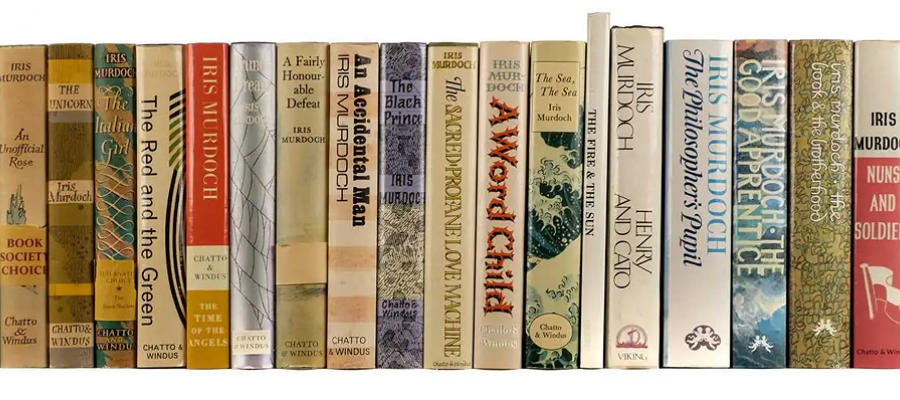
Iris Murdoch stands as a towering figure in the realms of both literature and philosophy, a rare intellect whose work transcended boundaries and left an indelible mark on both disciplines. Alongside Elizabeth Anscombe, Philippa Foot, and Mary Midgley, Murdoch was part of the celebrated “Oxford Quartet,” a group of women who reshaped moral philosophy in the 20th century. Yet, her influence extends far beyond academia; her novels, such as The Bell, The Black Prince, and the Booker Prize-winning The Sea, The Sea, have captivated readers with their depth, complexity, and unflinching exploration of the human condition. Murdoch’s ability to weave together the arts and the intellect, the emotional and the ethical, makes her one of the most fascinating minds of her generation.
Murdoch’s literary career was nothing short of extraordinary. Her novels are known for their richly drawn characters, intricate plots, and profound psychological insight, often exploring themes of morality, love, and the search for meaning. The Sea, The Sea, which won the Booker Prize in 1978, is a masterpiece of introspection, delving into the inner world of its aging protagonist as he grapples with past choices and the elusiveness of truth. Her writing was not just entertainment but a vehicle for philosophical inquiry, inviting readers to reflect on the human experience.
Yet Murdoch’s contributions to moral philosophy are equally remarkable. She was a critic of the prevailing trends in modern philosophy, particularly the reduction of morality to abstract systems or utility. Instead, she argued for a more nuanced understanding of ethics, one rooted in the complexity of human experience and the importance of attention and imagination. For Murdoch, morality was not a set of rules but a way of seeing the world—a plea to approach others with empathy, humility, and a willingness to confront our own limitations. Her work challenged readers to move beyond egocentricity and toward a deeper, more compassionate engagement with life.
In essence, Iris Murdoch’s legacy is one of integration: she seamlessly wove together the worlds of art and ideas, offering insights that continue to resonate today. Her novels and philosophical writings remind us of the power of storytelling to illuminate the moral landscape and the enduring importance of introspection in navigating the complexities of life. Murdoch’s work remains a testament to the boundless potential of the human mind to create, reflect, and inspire.






No Comments