

Kant vs. Penguins: Why Human Violence Is a Choice, Not a Nature
Have you ever wondered if our innate aggression makes us no better than animals?**
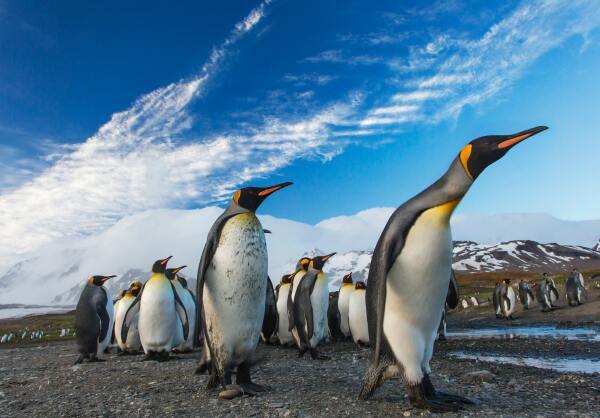
Imagine a Saturday dinner party turning into a philosophical courtroom. The topic? Violence. A friend, citing the documentary March of the Penguins, argues that because animals kill to survive, and humans are animals, we are inevitably violent. It sounds logical—until you apply the rigorous lens of Immanuel Kant.
Kant draws a hard line between the realm of nature and the realm of freedom. Penguins act on “predetermined laws”; they lack rationality, and therefore, lack the freedom to choose. When an orphaned penguin is killed by its own kind, it is not an act of immorality but of biological necessity. They are programmed for survival, unable to weigh ethical considerations.
Humans, however, possess the “gift” of rationality. This isn’t just about intelligence; it’s about the capacity for moral autonomy. While we are subject to physical impulses—like anger when someone cuts us off in traffic—we have the underlying freedom to override them. We can choose not to harm, even when provoked. As the article highlights, your decision to let that rude driver go safely wasn’t an emotional reflex; it was a rational victory.
The political philosopher Hannah Arendt expanded on this, distinguishing human action from animal behavior. While animals are bound to “labor” (survival), humans engage in “political action”—spontaneous, rational acts that shape society. We aren’t doomed to repeat the violence of the animal kingdom.
Ultimately, comparing human violence to a penguin’s survival instinct strips us of our dignity. It ignores our unique ability to pause, reflect, and act ethically. We aren’t just biological machines; we are rational beings capable of choosing better.





No Comments