

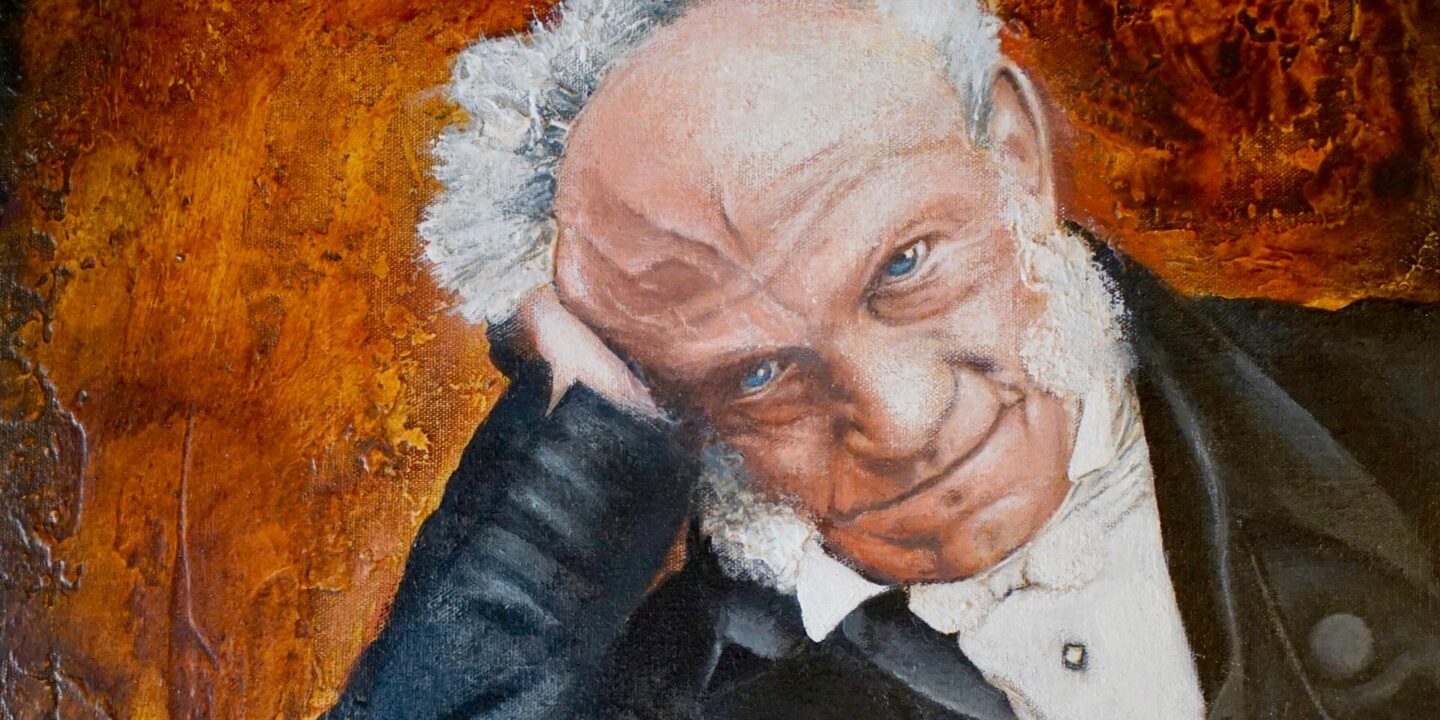
Schopenhauer’s Bleak but Insightful View of Life: Is He Right About Suffering?
Arthur Schopenhauer, one of the most profound philosophers of the 19th century, had a notoriously gloomy outlook on life. Drawing inspiration from Buddhism, he argued that life is inherently filled with suffering, driven by our endless desires. He famously claimed, “life has no genuine intrinsic worth” and that “happiness is not even conceivable.” While his perspective might seem overly pessimistic, it’s worth exploring whether he might have a point.
Schopenhauer isn’t naive to the joys of life. He acknowledges the kittens, cupcakes, and medical breakthroughs that bring us happiness. However, he insists that these fleeting moments are vastly outweighed by the sheer volume of suffering. His vivid example, where a lion devours an antelope, illustrates this imbalance. The antelope’s immense suffering far eclipses the lion’s momentary satisfaction. For Schopenhauer, life mirrors this dynamic: mountains of suffering compared to molehills of joy.
Most of us won’t face such dramatic fates, but Schopenhauer reminds us that suffering is ingrained in life through everyday struggles—illness, loss, unmet desires, and eventual death. Our desires, whether for the ideal job, partner, or political utopia, often lead to misery. Even when we achieve our goals, satisfaction is short-lived. Consider the excitement of buying a VR headset, only to have it gather dust after a few months. Schopenhauer suggests that we oscillate between two states: suffering and boredom. Yearning for love brings pain; attaining it leads to monotony, as we miss the thrill of the chase.
While Schopenhauer’s philosophy may seem bleak, it offers a valuable reflection on life’s nature. Perhaps embracing this perspective can encourage gratitude for life’s small joys and foster contentment by accepting that true, lasting happiness may not exist. In a world often obsessed with positivity, Schopenhauer’s insights remind us to confront life’s complexities with wisdom.





No Comments