

Rethinking Personhood: Should Animals Have Legal Rights?
In a world where legal rights are typically reserved for humans, a growing debate questions whether nonhuman animals should be recognized as legal persons. This discussion challenges us to redefine personhood beyond the human sphere, sparking a conversation about justice, ethics, and our responsibilities toward other species.
Historically, personhood has expanded from a narrow definition to include previously marginalized groups. Just as we’ve extended rights to women, racial minorities, and the LGBTQ+ community, we now consider whether animals deserve similar recognition. This shift reflects evolving societal values and our growing understanding of animal cognition.
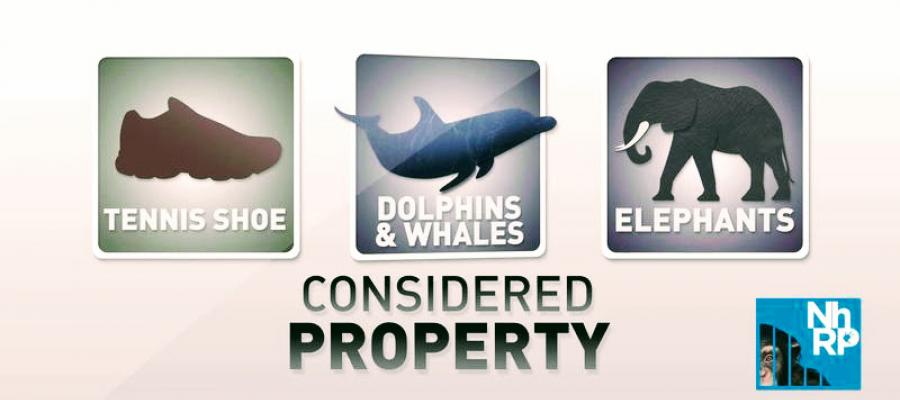
Animals exhibit remarkable abilities—problem-solving, communication, and emotional depth—that align with traits we associate with personhood. Chimpanzees use sign language, elephants show empathy, and octopuses demonstrate complex thought. These examples challenge us to see animals as more than just property, urging us to grant them legal standing to protect their interests.
The legal landscape is slowly changing, with precedents like granting personhood to rivers and forests. However, extending such status to animals presents challenges. Opponents argue that rights without responsibilities could complicate the legal system, though existing guardianship models offer potential solutions.
At the heart of this debate lies a moral imperative: recognizing animals’ intrinsic value beyond their utility to humans. Ethical responsibility and compassion drive us to ensure their welfare through legal means, fostering a future where their rights are upheld in court.
As we navigate this debate, we’re compelled to envision a future where justice extends beyond species, reflecting our commitment to empathy and fairness. This evolving dialogue invites us to consider a world where animals’ voices are heard and their rights respected, challenging us to lead with compassion and integrity.






No Comments