

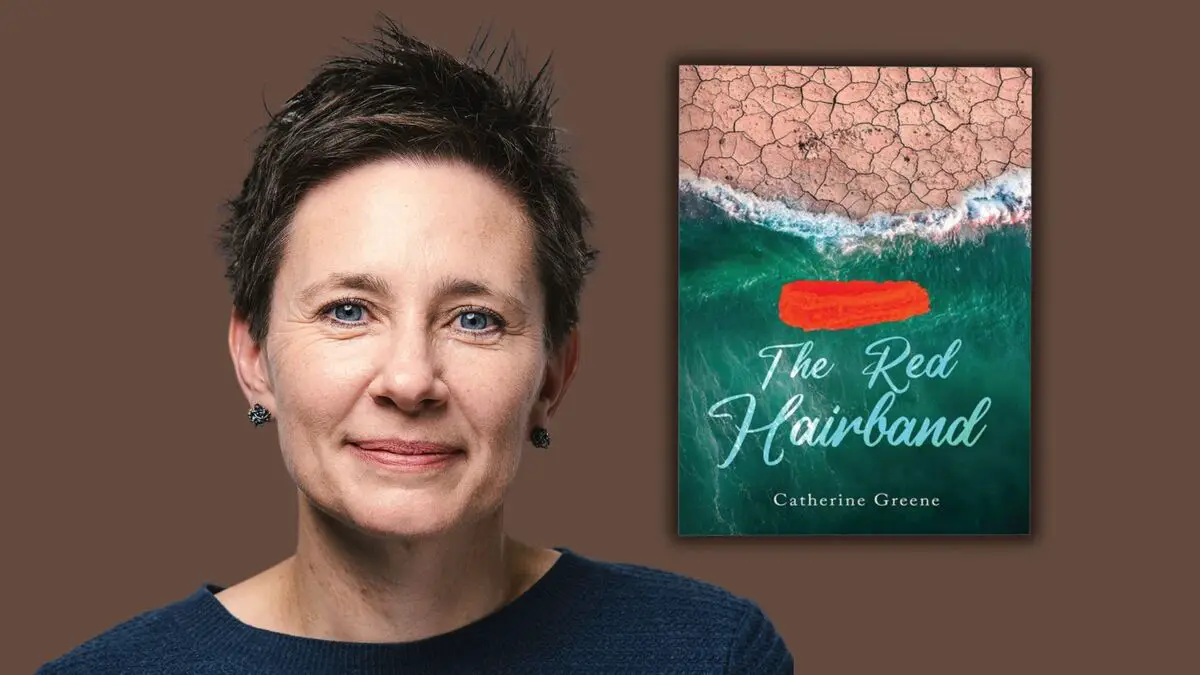
Philosophy and fiction may seem like vastly different pursuits, but for Catherine Greene, they are intimately connected. As a Research Associate at the Centre for Philosophy of Natural and Social Science at the London School of Economics and the author of the post-apocalyptic science fiction novel “The Red Hairband,” Greene embodies this intersection. Her book, a thought-provoking exploration of human survival, technology, and societal structures in a world gone awry, reflects her philosophical inclinations and critiques of modern society.
Greene’s journey into philosophy was somewhat accidental, stemming from her performance in university exams where she found herself more adept at philosophy than history, her original area of study. This marked the beginning of her philosophical explorations, which would later influence her literary writing. For Greene, philosophy is not just about abstract concepts but a way of thinking, reasoning, and arguing that applies to various fields of study, making it appealing as a domain-independent discipline.
“The Red Hairband” is more than just a science fiction novel; it’s a philosophical thought experiment that explores themes of time travel, the value of technology, and the future of humanity. Greene intentionally avoids technologically heavy descriptions, focusing instead on the human element and the motivations of her characters. The novel critiques societal tendencies towards totalitarianism, highlighting the dangers of absolute faith in ideologies and the dehumanizing effects they can have.
One of the novel’s striking aspects is its use of religious motifs, particularly in exploring concepts like life after death and the heroization of characters. Greene, an atheist, is drawn to the idea of faith in ideas and its potentially dangerous implications, where the conviction in one’s beliefs can lead to the dehumanization of others. This theme is central to her critique of ideologies, whether religious or political, that can justify terrible actions against other human beings.
The conversation also delves into the role of technology, both in Greene’s book and in the real world. She views technology as a double-edged sword, capable of wonderful achievements but also of constraining human freedom and autonomy. The development of technology, Greene suggests, is not always a response to societal needs but can be forced upon us, shaping our behaviors and interactions in unforeseen ways. However, she also sees potential for a backlash against the over-reliance on technology, with people seeking simpler, less intrusive forms of communication and interaction.
Greene’s perspective on writing and the future of literature is nuanced. While she hopes to make a living from her writing, she acknowledges the challenges in the current book publishing system, dominated by a few major houses and the difficulty for new authors to break through. Her advice to aspiring writers, particularly women interested in philosophy and writing, is to persevere, taking small steps towards their goals and staying in the game despite obstacles.
Ultimately, Catherine Greene’s work, both in philosophy and fiction, offers a lens through which to examine our assumptions about society, technology, and human nature. Her writing and thoughts encourage readers to question the status quo, to consider the implications of our beliefs and actions, and to strive for a more thoughtful, compassionate world. As she reflects on her own journey and the themes of her book, Greene inspires a deeper engagement with the world around us, urging us to keep moving forward, even in the face of uncertainty, and to never lose sight of the importance of human connection and empathy.
https%3A%2F%2Fdaily-philosophy.com%2Finterview-catherine-greene-red-hairband%2F







No Comments