

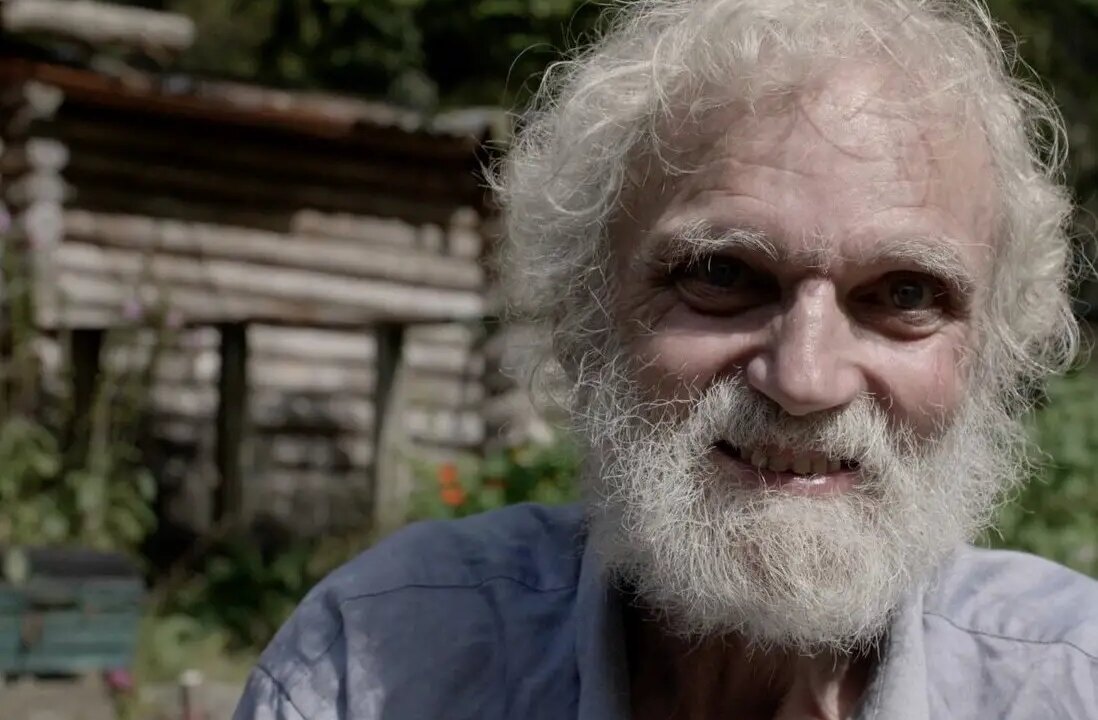
In the depths of Loch Treig, a Scottish loch known for its rugged beauty and isolation, lives a man known as the Hermit of Treig. Ken Smith, born in 1947, has spent the last 40 years living in the wilderness, surrounded by the natural world he loves and respects. His story, as told in his book “The Way of the Hermit: My Incredible 40 Years Living in the Wilderness,” is one of resilience, self-reliance, and a deep connection to the land.
Smith’s journey to becoming a hermit was not an easy one. Born into poverty, he experienced a violent assault at the age of 26, which left him with severe injuries and memory loss. This traumatic event sparked a desire to escape the dangers of human society and find solace in the wilderness. He traveled to the Canadian north, where he honed his survival skills and developed a profound appreciation for the natural world.
Eventually, Smith settled at Loch Treig, where he has lived for over four decades. His life is not one of luxury, but of simplicity and hard work. He spends his days fishing, hunting, and tending to his garden, living off the land as much as possible. Despite the challenges he faces, Smith finds peace and contentment in his solitary existence.
Smith’s story raises important questions about the human condition and our relationship with the natural world. In a world dominated by technology and urbanization, his choice to live off the grid and reject the trappings of modern society is a radical one. Yet, it is also a testament to the human spirit’s capacity for resilience and adaptation.
The concept of misanthropy, or the hatred of humanity, is often associated with hermits like Smith. However, as he himself notes, his decision to live in the wilderness is not driven by a hatred of people, but rather a desire to escape the corrupting influences of society. Smith’s misanthropy is not about hating humanity, but about recognizing the flaws and failings of human nature.
Smith’s love of nature is not just about appreciating its beauty, but also about recognizing its power and complexity. He sees the natural world as a refuge from the dangers and uncertainties of human society, a place where he can find peace and solace. His relationship with animals is particularly noteworthy, as he views them as equals, deserving of respect and compassion.
The hermit’s life is not without its challenges, however. Smith faces harsh winters, solitude, and the constant struggle to survive. Yet, he finds joy and fulfillment in his simple existence, living in harmony with the natural world. His story is a reminder that happiness and contentment are not solely dependent on material possessions or social status, but on our relationship with the world around us.
In a world that often values productivity and consumption above all else, Smith’s way of life is a radical departure from the norm. His commitment to simplicity, self-reliance, and a deep connection to nature is a powerful reminder of the importance of living in harmony with the environment. As we face the challenges of climate change, environmental degradation, and social inequality, Smith’s story offers a powerful lesson in the importance of reevaluating our priorities and finding a more sustainable way of living.
Ultimately, Smith’s story is one of hope and resilience, a testament to the human spirit’s capacity for adaptation and survival. His decision to live as a hermit is not a rejection of humanity, but a celebration of the beauty and wonder of the natural world. As we reflect on our own place in the world, Smith’s story encourages us to rethink our relationship with the environment and to find a more sustainable, compassionate way of living.
https%3A%2F%2Fdaily-philosophy.com%2Fkidd-hermit-of-the-lonely-loch%2F







No Comments