

The Age-Old Debate: Peace vs. Participation in Governance
In an era where the balance between democratic participation and authoritarian governance continues to spark intense debate, the philosophical insights of Thomas Hobbes offer a timely reminder of the complexities of human governance. As we grapple with the modern tensions between citizen empowerment and centralized control, Hobbes’ 17th-century ideas remain remarkably relevant, challenging us to reflect on the trade-offs between order and autonomy.
Hobbes’ Vision: Order through Absolutism
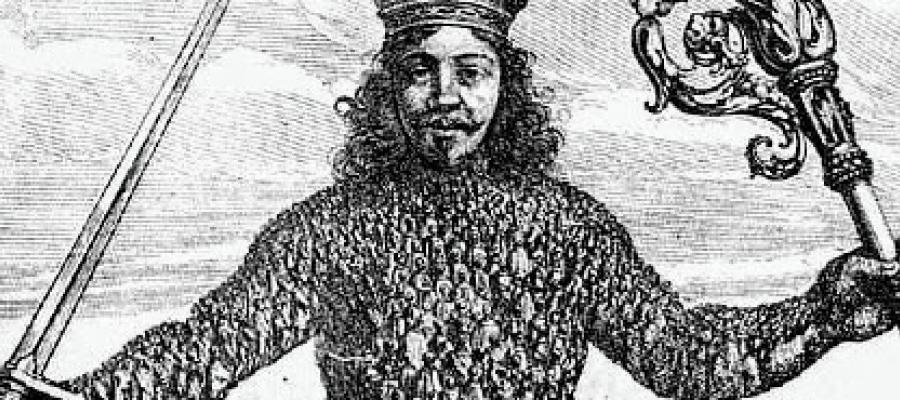
Thomas Hobbes, one of history’s most influential political philosophers, argued that human nature, left unchecked, leans toward conflict and chaos. In his seminal work Leviathan, he famously described life without a strong central authority as “solitary, poor, nasty, brutish, and short.” For Hobbes, the only way to escape this anarchic state of nature was through the establishment of a powerful sovereign—a ruler with absolute authority to enforce laws, maintain order, and protect citizens from both external threats and themselves.
Hobbes believed that granting citizens too much say in governance could lead to division, extremism, and eventually war. In his view, democracy, with its emphasis on collective decision-making, was a recipe for discord. People, he argued, are driven by self-interest and passions, which, when left unchecked, destabilize society. A single, all-powerful ruler, on the other hand, could impose order, ensure compliance, and create the conditions for peace and prosperity.
The Counterargument: Participation as a Foundation of Liberty
Yet, Hobbes’ idea of absolute rule raises questions about the value of citizenship and the importance of individual freedom. Critics argue that entrusting one person or institution with unchecked power is a dangerous gamble, as it opens the door to tyranny and corruption. Democratic systems, while imperfect, at least distribute power and allow citizens a voice in shaping their governance. Participation, they contend, fosters accountability, innovation, and a sense of shared responsibility.
Moreover, modern governance has shown that systems blending elements of citizen participation and centralized authority can achieve both stability and freedom. For instance, constitutional democracies limit the power of rulers through checks and balances, ensuring that no single entity can wield absolute control. These systems aim to address Hobbes’ concerns about human nature while preserving the rights and agency of citizens.
The Modern Dilemma: Balancing Order and Liberty
Hobbes’ ideas challenge us to confront the enduring trade-offs between peace and participation. How much power should we entrust to our leaders? How much say should citizens have in shaping their governance? The answer lies in striking a balance—a system that provides the stability Hobbes craved while safeguarding individual liberties.
As we navigate the complexities of modern governance, Hobbes reminds us that the pursuit of peace and order is a noble goal, but it must not come at the cost of silencing the voices of those being governed. True governance, after all, is not about choosing between rulers and citizens but about creating systems that elevate both. In the end, the question is not whether citizens should have a say in how they are governed but how to design systems that honor both the need for order and the dignity of participation.







No Comments