

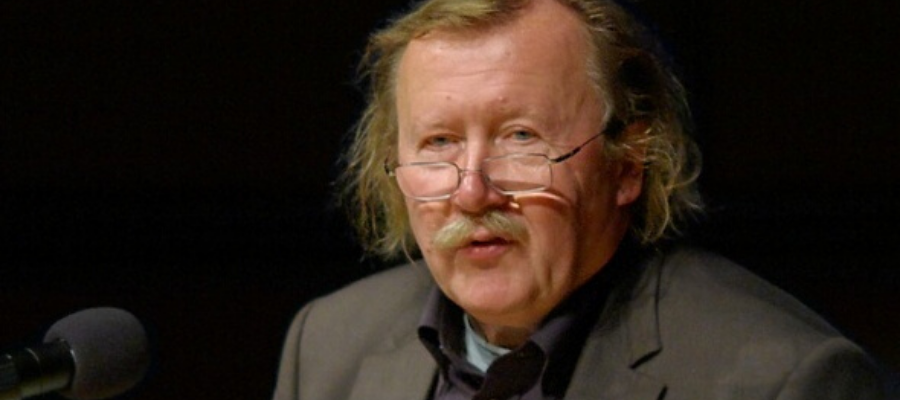
The Philosopher Who Predicted Our Rage: Sloterdijk’s Populist Diagnosis
In an age of shouting matches on social media and fractured politics, the roots of our populist rage feel more chaotic than ever. One German thinker, however, offers a chillingly accurate diagnosis. Peter Sloterdijk isn’t your typical academic; he’s a celebrity philosopher who saw this insurgency coming long before the tweets turned into riots. He argues that the modern populist explosion isn’t just about policy—it’s an explosive cosmic event. For decades, a “pressure cooker” of cultural and social tension has been building beneath the surface of Western society, and we are now living in the blast zone.
The Invisible Gas of Modernity
Sloterdijk’s core insight frames populism not as a political movement, but as atmospheric pressure. He describes an “immanent” explosion—bubbles of anger rising from the ground rather than a bomb dropped from above. What is fueling this invisible gas? He points to the “bloat” of the digital age. We are overwhelmed by information, tangled in social networks, and suffocated by the sheer density of modern life. The pressure builds when traditional structures fail to contain this energy. It is the rage of the “little guy” against the perceived elites who seem immune to this daily suffocation.
Cracks in the System
The philosopher suggests that society is a vessel with tiny cracks. For a while, the steam whistles out quietly. But eventually, the pressure forces a rupture. Populism is that rupture—the loud, visceral scream against a world that feels too big and too heavy. It is the natural reaction of a system under heat. When the “gas” of cultural expectation meets the spark of economic inequality, the result is combustion. Sloterdijk teaches us that we must stop looking at the explosion itself and start analyzing the pressure that caused it.
Turning Down the Heat
To heal, we must understand the physics of our anger. Sloterdijk’s wisdom demands we look inward at what we are adding to the atmosphere. The way forward isn’t just better debate; it is finding ways to release pressure before it destroys the vessel. We must stop fueling the fire and start addressing the heat.





No Comments