

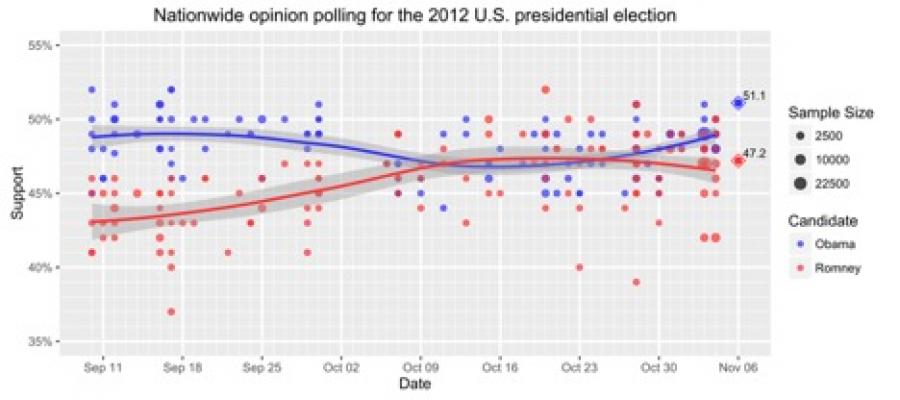
In an era where information is as abundant as it is contested, the growing skepticism toward polls has emerged as a striking cultural phenomenon. This distrust, often amplified by social media and punditry, reflects a broader cultural shift—a increasing wariness of systematic research and objective data. Since 2016, we’ve witnessed a consistent erosion of faith in institutions and expert knowledge, and polls are conveniently caught in the crossfire. But is this skepticism justified, or is it part of a more profound disquiet with the very idea of objective truth?
Polls, like any tool, are not perfect. They rely on human design, sampling methods, and interpretation. The margins of error and assumptions built into polling can lead to outcomes that surprise or frustrate us. Yet, to dismiss them entirely is to discard a valuable, albeit imperfect, mechanism for understanding public sentiment. The distrust in polls isn’t merely about methodology—it’s part of a larger narrative that questions the reliability of all systematic research.
This broader assault on objective inquiry is troubling. In a world where opinions are often framed as facts, the devaluation of rigorous, evidence-based research undermines our ability to solve complex problems. When we dismiss polls, we’re not just questioning numbers—we’re eroding trust in the idea that data can help us understand reality. This skepticism seeps into other areas, from science to journalism, creating a culture where expertise is dismissed as elitism and facts are treated as optional.
The reasons for this distrust are complex. Polarization fuels confirmation bias, making people more likely to question any data that contradicts their views. The rise of misinformation and the amplification of anecdotes over aggregates on social media further muddy the waters. Yet, the solution isn’t to abandon polls or research but to engage with them more critically—understanding their limitations while valuing their insights.
In a world overwhelmed by noise, polls and systematic research remain vital tools for navigating uncertainty. To distrust them wholesale is to surrender to chaos, abandoning the possibility of shared understanding in favor of a world where every truth is relative and no truth is reliable. Let’s not confuse healthy skepticism with categorical dismissal. By embracing a balanced perspective—one that acknowledges both the value and the imperfections of polls—we can reclaim the power of data to guide us toward a more informed future.






No Comments