

Ford’s Strategic Pivot: From EV Shutters to Data Center Powerhouses
Ford is repurposing its massive battery investments into a new frontier: grid-stabilizing energy storage.
Ford Motor Company is executing a significant strategic pivot. Instead of canceling plans for large electric vehicle batteries, the automaker is launching a dedicated battery storage business. This move utilizes manufacturing capacity originally slated for EVs to produce large-scale storage systems for data centers and the electric grid.
A $2 Billion Repurposing Strategy
In a Monday announcement, Ford confirmed it will invest approximately $2 billion over the next two years to transform its Kentucky truck factory. The facility will house a new product line producing battery energy storage systems (BESS). Rather than powering Ford’s electric trucks, these LFP (lithium iron phosphate) batteries will stabilize power grids and support the booming demand for data center energy.
By leveraging technology licensed from Chinese battery giant CATL, Ford aims to hit the ground running. The company plans to build 20GWh of annual storage capacity, with the first units shipping by 2027. This approach allows Ford to extract value from its existing R&D and supply chain agreements without the heavy costs of vehicle-centric production.
The Commercial and Residential Focus
Lisa Drake, Ford’s VP of EV systems, outlined the company’s market hierarchy. The “predominant” opportunity lies in commercial grid customers—entities requiring massive, stable power buffers. However, secondary targets include data centers, an industry currently facing unprecedented power shortages.
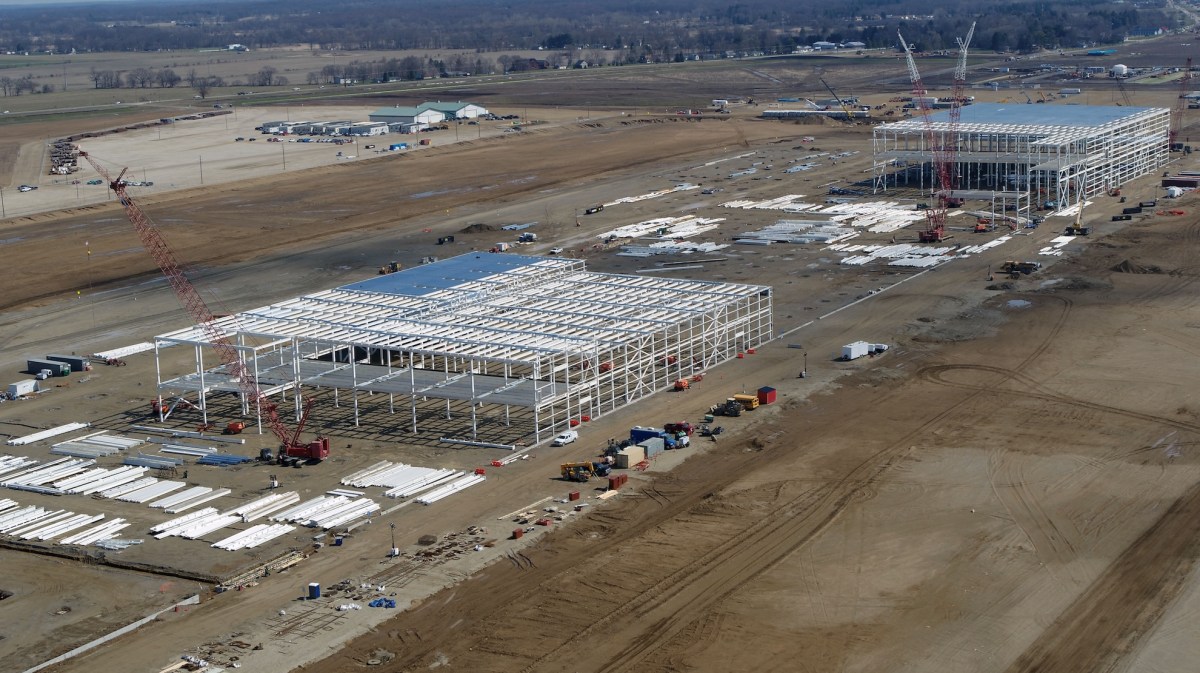
Interestingly, Ford is also eyeing the residential sector. The Michigan-based BlueOval Battery Park, originally designed for the Ford EV lineup, will pivot to produce smaller amp-hour cells specifically for home energy storage. This expands Ford’s footprint beyond heavy industry into consumer power solutions.
Competing in a Growing Field
Ford is not entering this arena alone. Tesla has long dominated the commercial storage market, deploying roughly 10GWh per quarter. General Motors also offers dedicated home and commercial storage products.
However, Ford’s centennial manufacturing expertise offers a distinct competitive advantage. Drake noted that the market standard for these systems is the LFP prismatic container—a technology Ford is already licensed to build in the U.S. This “natural adjacency” allows Ford to redirect existing resources rather than building from scratch.
The Road Ahead
This pivot signals a maturation of the EV market. Automakers are realizing that battery technology is valuable independent of the vehicle chassis. By securing revenue streams from grid stability and data center backup, Ford insulates itself against EV market fluctuations.
The revised Michigan factory plans, now 43% smaller than original 2023 blueprints, reflect a “dialed-back” but more realistic approach to production. Ford is balancing its long-term EV ambitions with immediate, high-demand opportunities in the energy sector.
For investors and consumers alike, Ford’s move offers a glimpse into the future of automotive manufacturing: where the factory floor powers not just cars, but the entire ecosystem around them. By 2027, Ford won’t just be moving vehicles; it will be moving electrons at a grid scale.







No Comments