

Why Decluttering Fails: Erich Fromm’s Hidden Truth
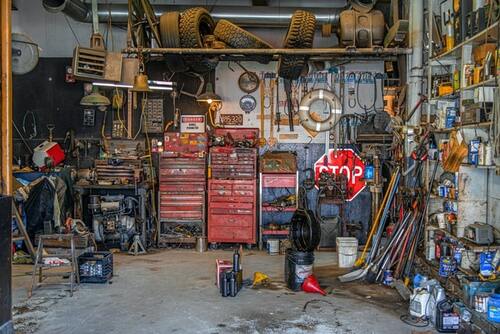
Most of us have tried to declutter our homes at some point—sorting through piles of stuff, deciding what to keep and what to let go. Yet somehow, the clutter always seems to return. Philosopher Erich Fromm (1900-1980) had a radical explanation for why this happens: we’re doing it wrong.
According to Fromm, there are two fundamental ways to live: the “mode of having” and the “mode of being.” In the having mode, we define ourselves by our possessions. We say “I have a great house,” “I have a nice car,” even “I have love for you.” But here’s the problem—love isn’t a thing you possess. It’s a process, an activity, a way of relating to another person.
Fromm observed that this need to “have” begins in childhood. Babies explore the world by putting everything in their mouths—licking, swallowing, incorporating objects into themselves. This “archaic form of possessing” is how young children relate to reality before they develop the capacity for more mature forms of engagement.
As adults, we scale this up. We buy houses to store our things, we accumulate possessions that become extensions of ourselves. The satisfaction we get from consumption is never complete or final. Fromm wrote that modern consumers might identify themselves with the formula: “I am = what I have and what I consume.”
This creates a vicious cycle. The satisfaction from acquiring things is always temporary, leading us to want more, consume more, accumulate more. And when we try to declutter without addressing this underlying mindset, we’re fighting a losing battle.
This is why Marie Kondo’s method, helpful as it may seem, often fails in the long run. Without changing our fundamental relationship to possessions, throwing things away feels painful and traumatic. We’re simply replacing one set of anxiety with another.
The real solution, according to Fromm, is to shift from the mode of having to the mode of being. Instead of defining ourselves by what we own, we begin to find value in experiences, in growth, in productive activity, in genuine connection with others. When we reach this stage, letting go of possessions becomes natural—not a sacrifice but a liberation.
True decluttering begins not in our closets, but in our minds. When we no longer need to possess things to feel valuable and secure, the problem of clutter simply dissolves. We’re no longer babies trying to incorporate the world into ourselves. We’ve grown up.







No Comments