

Elon Musk Calls Himself an Alien at Davos, Questions Life Beyond Earth
Musk’s tongue‑in‑cheek alien claim masks a deeper conviction that humanity must safeguard its rare consciousness by colonizing Mars and scaling sustainable tech.
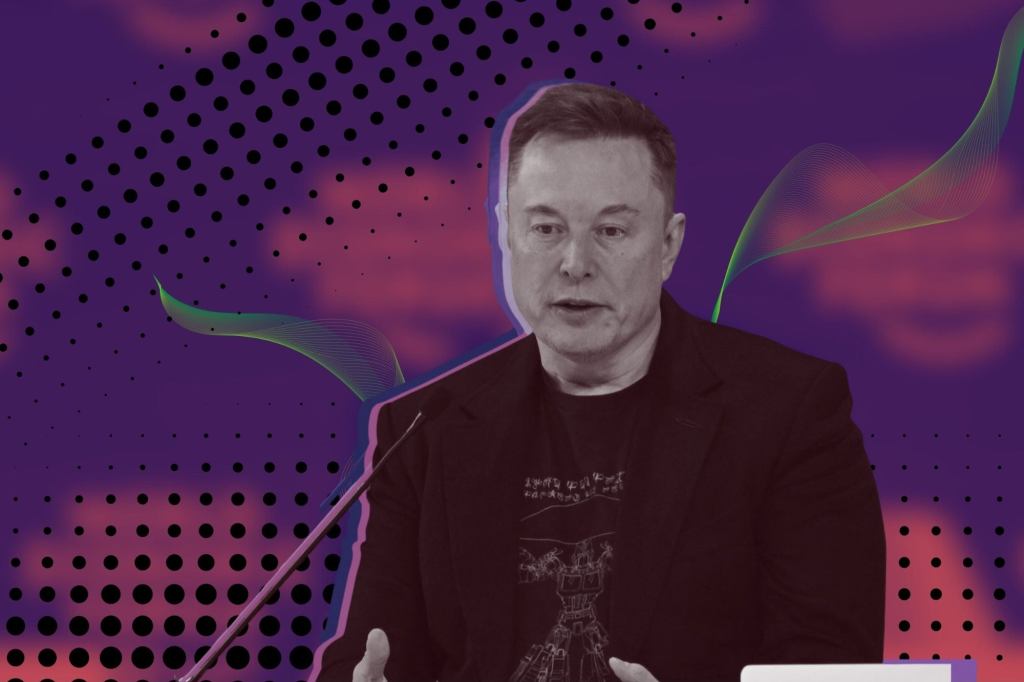
During a high‑profile panel at the World Economic Forum in Davos, billionaire visionary Elon Musk surprised BlackRock CEO Larry Fink by declaring, “I’m often asked, ‘Are there aliens among us?’ And I’ll say that I am one.” While the remark was delivered with a wry smile, Musk quickly clarified that he believes intelligent extraterrestrial life is exceedingly unlikely. He argued that if consciousness were common, his fleet of 6,000 Starlink satellites would have already detected it.
This paradox—an alien self‑identification paired with a conviction that humanity may be the sole bearer of consciousness—forms the philosophical backbone of Musk’s two flagship enterprises. SpaceX, valued around $800 billion, pursues a “multiplanetary” future, positioning Mars as an insurance policy against planetary catastrophe. Tesla, now worth roughly $1.4 trillion, aims to generate “sustainable abundance” by accelerating the transition to clean energy and autonomous transport. Together, they embody Musk’s mantra: if consciousness is a fragile, singular spark, we must do everything possible to keep its light from being extinguished.
Critics, however, warn that this survivalist mindset can oversimplify complex societal challenges. By framing climate change, resource scarcity, and geopolitical risk as engineering problems solvable through rockets and batteries, they argue Musk sidesteps the systemic reforms—policy, equity, and collective governance—required for lasting change. Detractors also fear that the narrative of “humanity’s lone consciousness” may justify extreme measures, from aggressive colonization to techno‑authoritarian control, without sufficient public deliberation.
Nevertheless, Musk’s perspective resonates with a growing audience that sees technological progress as the most reliable safeguard against existential threats. The Davos audience, already attuned to discussions of global risk, found his blend of humor and urgency compelling. His claim also fuels the viral engine of platforms like Google Discover, where curiosity‑driven headlines about “aliens” and “Mars” attract clicks, while the underlying message about planetary stewardship remains intact.
In the end, Musk’s alien proclamation is less about extraterrestrials and more about a stark reminder: if consciousness is indeed a rare cosmic gift, the responsibility to preserve it falls squarely on our shoulders. Whether through rockets, renewable energy, or a reimagined social contract, the challenge is to turn that responsibility into tangible, inclusive action. Readers who walk away with this dual insight—Musk’s bold self‑identification and his urgent call for planetary insurance—can better gauge the stakes of our technological ambitions and the ethical choices they demand.




No Comments