

The Timeless Wisdom of Stoicism: How to Live a Good Life
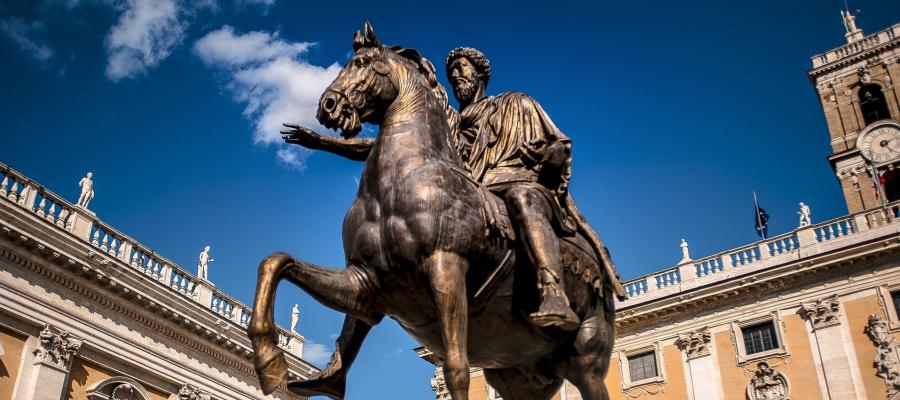
In a world filled with uncertainty and chaos, the ancient philosophy of Stoicism offers a powerful guide to living a life of clarity, resilience, and purpose. This week, we explore the teachings of Marcus Aurelius, the Roman emperor and Stoic philosopher, who reminds us that true strength lies not in avoiding challenges but in how we respond to them. The question arises: Should we strive to be indifferent to pain, suffering, and death? The answer, as Stoicism teaches us, is not about numbing ourselves to life’s difficulties but about embracing them with courage and wisdom. Let’s uncover the key lessons of Stoicism and why they remain relevant today.
The Core of Stoic Philosophy: Focus on What You Can Control
Stoicism is often misunderstood as a philosophy of detachment or passivity. However, at its heart lies a profound insight: true freedom comes from focusing on what is within your control. Marcus Aurelius wrote extensively about the futility of resisting events beyond our influence, such as fate or the actions of others. Instead, he urged us to channel our energy into improving ourselves and our responses to life’s challenges. This mindset is not about indifference but about mastery—mastery over our thoughts, emotions, and actions.
Embracing Suffering as a Teacher
One of the most radical ideas in Stoicism is the belief that suffering is not an enemy but a teacher. Pain and hardship are inevitable parts of life, yet they offer us the opportunity to grow. By accepting suffering with equanimity, we learns to distinguish between what truly matters and what is trivial. As Marcus Aurelius so eloquently put it, “The impediment to action advances action. What stands in the way becomes the way.” This perspective transforms obstacles into stepping stones for personal growth.
Cultivating Virtue and Inner Peace
Stoicism is not just a philosophy of endurance; it is a philosophy of flourishing. At its core is the belief that a good life is one lived in accordance with virtue—wisdom, courage, justice, and self-discipline. By aligning our actions with these principles, we achieve inner peace and harmony, regardless of external circumstances. This is not a naive optimism but a grounded confidence rooted in living a life of integrity.
Accepting Impermanence and Death
Perhaps one of the most profound lessons of Stoicism is its emphasis on accepting the impermanence of all things, including life itself. Marcus Aurelius frequently reflected on his own mortality, not out of morbid fascination but to cultivate gratitude for the present moment. By acknowledging that life is short and fragile, we are inspired to live deliberately, free from distractions and regrets. Death, in this view, is not something to fear but a reminder to cherish the time we have.
The Enduring Relevance of Stoicism
In an age dominated by anxiety, uncertainty, and fleeting distractions, the wisdom of Stoicism offers a timeless antidote. It teaches us to embrace life’s challenges with resilience, focus on what truly matters, and cultivate inner strength. The Stoic philosophy is not a call to indifference but a call to live fully, thoughtfully, and courageously. As we navigate the complexities of modern life, the insights of Marcus Aurelius remind us that the power to live a good life lies within us—if we are willing to embrace the wisdom of the ages.







No Comments