

AI Film Revolution: 50 Movies for the Price of One
AI is poised to completely transform Hollywood economics, allowing studios to produce exponentially more content at dramatically lower costs.
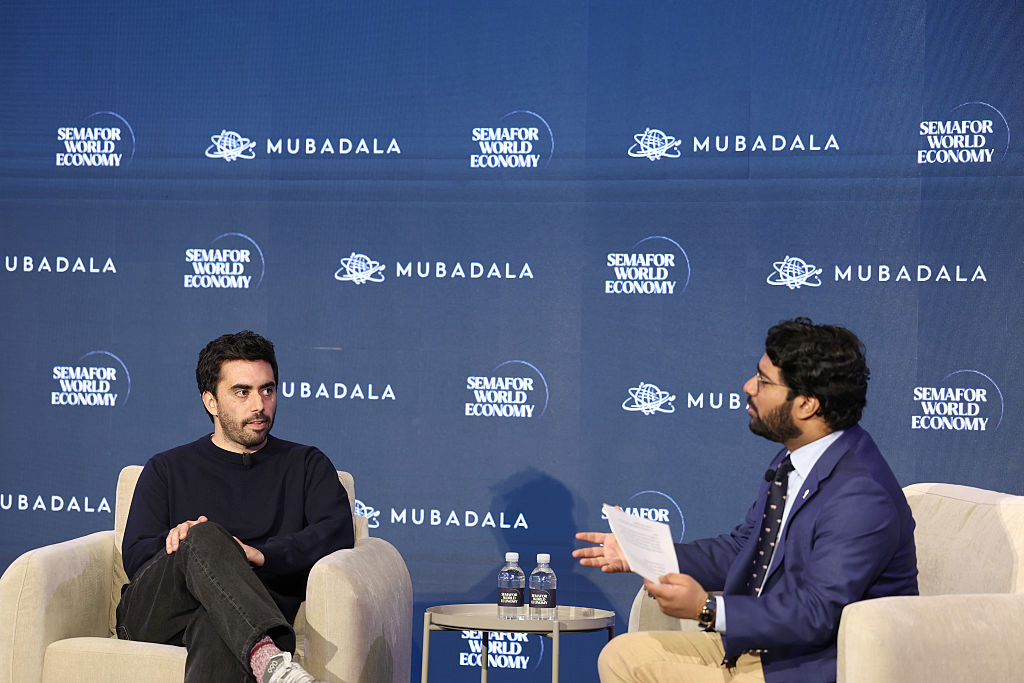
In a bold prediction that could reshape the future of entertainment, Runway’s CEO has unveiled a vision where artificial intelligence could revolutionize film production economics. Instead of investing $100 million into a single blockbuster, AI technology might soon enable the creation of fifty feature films for the same budget—a potential democratization of content creation that could forever change how we consume stories.
The implications of this technological shift extend far beyond simple cost savings. When production costs plummet, the traditional barriers to entry in Hollywood begin to crumble. Independent creators, smaller studios, and even passionate amateurs could find themselves with unprecedented access to tools previously available only to major studios with deep pockets.
This AI-driven transformation isn’t merely about reducing expenses; it represents a fundamental reimagining of the creative process. By automating time-consuming production tasks like visual effects, color grading, and even some aspects of editing, AI frees up creative professionals to focus on storytelling, character development, and other human-centered aspects of filmmaking that require intuition and emotional intelligence.
The economic model of Hollywood has long been built on the “hit-driven” approach, where one massive success subsidizes numerous failures. However, the AI-enabled production model suggests a new paradigm: many smaller bets, each with more manageable financial risk. This approach could foster greater experimentation, diversity of content, and innovation as creators aren’t solely dependent on huge box office returns to justify their investments.
Moreover, this shift could lead to a more sustainable industry ecosystem. Rather than concentrating resources in a handful of high-budget productions, a distributed approach with numerous mid-to-low budget films could create more consistent work for industry professionals and maintain audience engagement throughout the year rather than relying on seasonal tentpole releases.
While concerns about job displacement are valid in any technological revolution, the most likely outcome is not replacement but transformation. As with previous technological shifts in film history—from the introduction of sound to digital cinematography—roles will evolve rather than disappear. New positions will emerge focused on AI-assisted creative workflows, while traditional roles adapt to integrate these powerful new tools.
The democratization of filmmaking through AI also promises to amplify underrepresented voices in the industry. When the cost barrier lowers, stories from diverse perspectives that may have previously struggled to find funding can now reach audiences. This could lead to more authentic representation and richer storytelling across the global entertainment landscape.
For audiences, this AI-powered transformation could mean a golden age of content diversity. With exponentially more films being produced, viewers will have access to a wider variety of genres, stories, and artistic visions tailored to niche interests rather than solely mass-market appeal.
As we stand on the brink of this filmmaking revolution, the most exciting prospect isn’t just cheaper production—it’s a new creative renaissance powered by human ingenuity augmented by artificial intelligence. The future of entertainment may not belong to those who can spend the most, but to those who can imagine the most, with AI as their powerful creative ally.







No Comments