

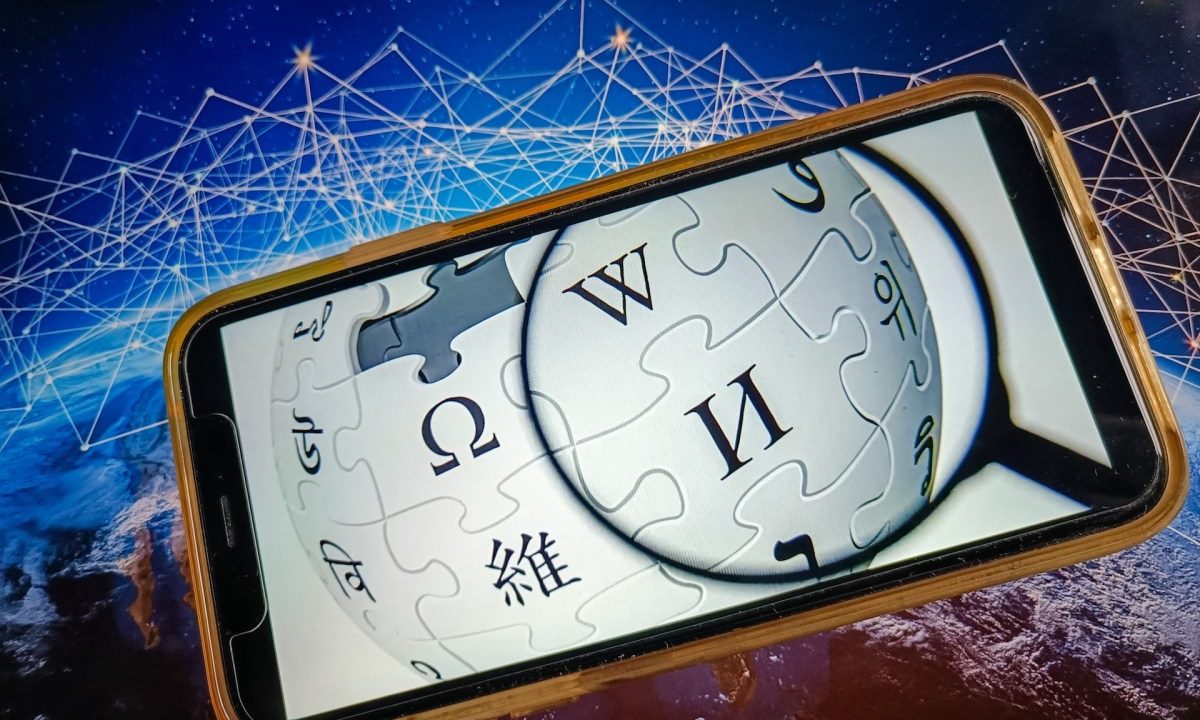
Wikipedia Bans AIUse in Articles to Preserve Integrity
As AI tools flood the digital landscape, Wikipedia is taking a decisive step to protect its role as the world’s most trusted knowledge source.
The world’s largest online encyclopedia has recently implemented stricter policies prohibiting the use of artificial intelligence for drafting or generating articles. This move, announced quietly but with growing implications, reflects a broader panic about the unchecked rise of AI-generated content. For decades, Wikipedia has thrived on the premise of human-crafted, peer-reviewed information. Now, it’s drawing a hard line against algorithms that could undermine its credibility.
Why the Sudden Crackdown?
Wikipedia’s leadership cites two main concerns: accuracy and neutrality. AI models, no matter how advanced, often replicate biases present in their training data or produce vague, unverified statements. A study by the University of Cambridge found that AI-written summaries frequently contain factual errors or lack nuanced context. For a platform that claims over 60% of users rely on it for critical information—from health advice to historical records—this risk is existential.
The encyclopedia also faces a unique challenge: volunteers, or “Wikipedians,” edit content freely. If AI-generated drafts flood their system, moderators would be overwhelmed trying to distinguish human-curated quality from automated slop. Worse, bad actors could exploit AI to spam low-quality content at scale, diluting Wikipedia’s value.
What Does This Mean for AI in Content Creation?
This isn’t just about Wikipedia. The policy sets a precedent for how platforms will engage with AI. Content creators, researchers, and even businesses using AI tools for drafting may face pushback. Tools like ChatGPT or Google’s Gemini, which can produce coherent text in seconds, are now under scrutiny. While proponents argue AI can assist in ideation or research, Wikipedia’s stance underscores a tension: efficiency vs. accountability.
Interestingly, Wikipedia isn’t outright banning AI. Users can still use it for research or inspiration, but the final output must be human-edited. The platform is also developing detection tools to identify AI-written content, aiming to flag it for review. This dual approach—combining policy with technology—highlights a pragmatic compromise.
The Bigger Picture: Trust in the Age of AI
Wikipedia’s action resonates with a larger cultural shift. As AI permeates creative and informational spaces, users are increasingly skeptical of machine-generated content. A 2024 Pew Research poll found that 78% of internet users doubt the reliability of AI-written news or articles. Wikipedia, as a neutral arbitrator of facts, is caught between the allure of AI efficiency and the need to safeguard its mission: “the sum of all human knowledge.”
Critics warn that this crackdown could stifle innovation. Startups and freelance writers use AI to scale content production, and a blanket ban might drive creators to less reliable platforms. Others argue that stricter standards force a return to basics—human-driven research, critical thinking, and meticulous editing.
What’s Next?
Wikipedia’s move will likely spark debates about AI’s role in knowledge-sharing. For now, the platform is doubling down on human oversight. It’s also collaborating with AI developers to improve detection algorithms, suggesting a future where tools might assist—not replace—human editors.
For readers, this serves as a reminder: not all information is equal. Even in an era of instant answers, the value of human expertise remains irreplaceable.
In a world racing toward AI, Wikipedia’s decision is a rallying cry—to protect the delicate balance between innovation and integrity.






No Comments