

Iranian Hackers Target FBI Director’s Email
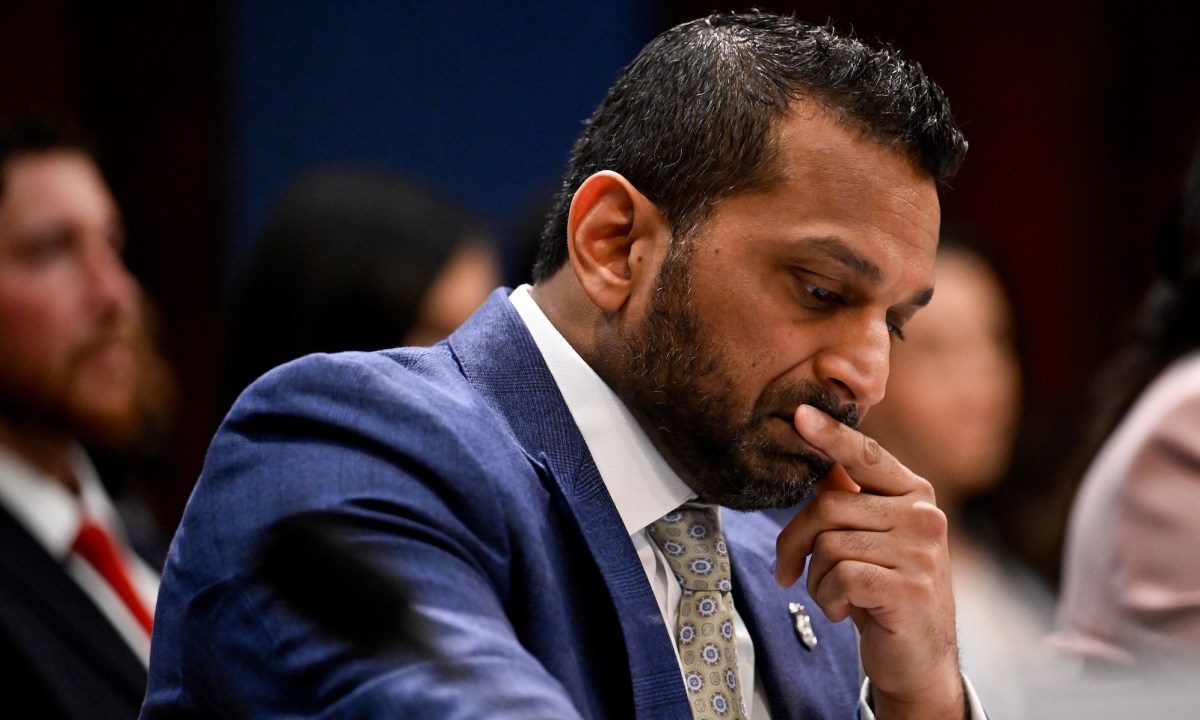
In a brazen digital assault, Iranian state-sponsored hackers claim to have infiltrated the personal email account of FBI Director Kash Patel, igniting fresh concerns over cybersecurity at the highest levels of U.S. law enforcement.
The reported breach, attributed to the Iranian hacking group known as APT35 or Charming Kitten, underscores a persistent and evolving threat landscape. While the FBI has not officially confirmed the compromise, the claim itself is a significant psychological and strategic operation. Targeting the personal communications of the nation’s top federal investigator is designed to send a stark message: no one is beyond reach. This incident is not an isolated event but a continuation of Iran’s aggressive cyber playbook, which frequently combines espionage with influence operations aimed at sowing discord and exposing sensitive information.
The implications are profound. A successful breach could potentially expose unsecured personal details, private schedules, or informal discussions that, while not classified, could be leveraged for blackmail, reputational damage, or to map the personal networks of a key national security official. It highlights a critical vulnerability many high-profile individuals face: the disparity in security between official government channels and personal email accounts. For an agency like the FBI, which leads the nation’s counter-intelligence and cyber defense efforts, such a claim—true or not—is a major embarrassment and a tactical victory for adversaries, demonstrating their ability to pierce perceived perimeters.
This event serves as a urgent reminder that cybersecurity is a personal responsibility as much as an institutional one. For public figures, the “attack surface” extends far beyond their office devices. The use of strong, unique passwords, enabled multi-factor authentication, and vigilant awareness of phishing attempts are non-negotiable defenses. For the agencies tasked with protection, it reinforces the need for continuous monitoring, advanced threat hunting, and public-private partnerships to share indicators of compromise rapidly.
Ultimately, the alleged hack of Director Patel’s email is more than a headline; it is a case study in modern hybrid warfare. It blends technical intrusion with information warfare, aiming to undermine confidence in U.S. institutions and their leaders. As investigations continue, the incident reaffirms that in the digital age, the battleground is everywhere, and the most valuable intelligence can sometimes be found in the least fortified inboxes. Staying informed and maintaining rigorous digital hygiene are our first lines of defense in this ongoing conflict.






No Comments