

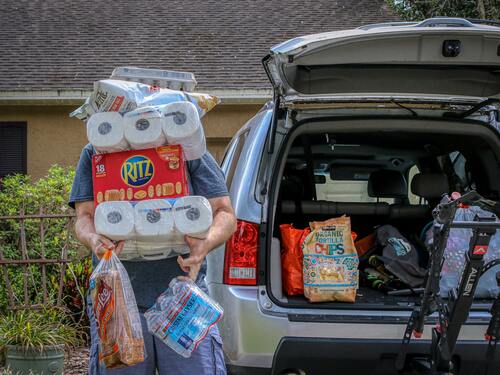
The Rational Wisdom Behind Crisis Hoarding
Panic during crises makes hoarding seem irrational. But what if it’s not?
Assumptions rush in: hoarding is greedy and irrational. Yet, in crises like the coronavirus, it can be a rational choice. Consider these five arguments.
First, inflation favors the prepared. Non-perishables—canned goods, toilet paper—only grow costlier over time. If you have unused storage space, bulk buying now saves money long-term. Factor in inflation, reduced fuel waste (fewer trips), and future disruptions like typhoons. Strategic storage isn’t panic; it’s financial foresight.
Second, supply chains are fragile. Global events—factory shutdowns, grounded flights—empty shelves. Even one missing component (e.g., packaging ink) can halt local goods. Hoarding safeguards against invisible breaks in systems we take for granted.
Third, supermarkets fail. During lockdowns, websites crash, delivery slots vanish, and substitutions run rampant, as seen in Hong Kong’s two-week delays and random orders. Self-reliance becomes essential when trust in retailers dissolves.
Fourth, health risks isolate. Quarantine or fear of infection prevents shopping. Every supermarket trip risks exposure. Hoarding minimizes outings, enabling safer self-isolation. Protection starts at home.
Fifth, social context demands it. If others hoard, you’re left short. For parents, family safety comes first. Rational self-priority isn’t selfish—it’s ensuring survival when systems fail.
Hoarding, when thoughtful, transcends greed. It’s wisdom navigating chaos. Prepare with purpose—because the irrational person ignores the storm until it’s too late.






No Comments