

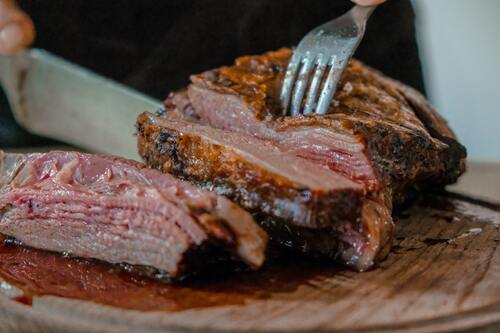
Ismeat-eating ethical? A philosopher’s perspective
The ethics of eating meat are more complex than a simple yes or no. It’s a question that bridges philosophy, environmental science, and personal values. While modern industrial farming faces widespread criticism for animal suffering and ecological harm, smaller-scale, organic meat consumption might sit in a moral gray area—depending on which ethical framework you use.
Utilitarianism, which evaluates actions based on their overall impact on happiness and suffering, leans against large-scale meat production. Factory farming inflicts immense pain on animals while causing environmental damage through methane emissions, deforestation, and antibiotic overuse. Yet, utilitarianism doesn’t outright condemn all meat. If organic, humanely raised meat minimizes harm to animals and the planet, its consumption could be justified. The key lies in quantifying trade-offs: reducing meat intake, supporting ethical farms, and acknowledging that even “small” consumption still contributes to systemic issues.
Kantian ethics focuses on duty and treating individuals as ends, not means. While Kant might not prioritize animal rights, his principles demand that humans respect their own choices. If consumers value autonomy, they might ethically choose organic meat, provided it aligns with sustainability. However, Kant would likely criticize industrial farming’s unsustainability, framing it as a failure to respect future generations.
Aristotle’s virtue ethics emphasizes character. Compassion, temperance, and respect for life suggest that unnecessary suffering—especially in mass production—is inherently wrong. Eating meat occasionally, when sourced ethically, might reflect virtuous moderation. However, prioritizing animal welfare and environmental health over convenience aligns more closely with Aristotle’s ideals of human flourishing.
Social contract theory, which centers on societal agreements, offers less clarity. It doesn’t directly address animal or environmental ethics, making it less applicable here.
Most moral theories converge on one truth: industrial meat farming is ethically problematic. Yet, niche, sustainable meat consumption might align with ethical principles if done consciously. The challenge isn’t just what we eat, but how we source it—and whether our choices reflect a balance of compassion, responsibility, and reason.
This isn’t just about guilt; it’s about agency. By understanding these ethical layers, we can make informed decisions that honor our values. What does your philosophy say about your next meal?






No Comments