

The Poetic Wisdom of the German Romantics: Seeing Nature’s Hidden Language
“In every stone, every cloud, and every beetle lies a secret script waiting to be read.”
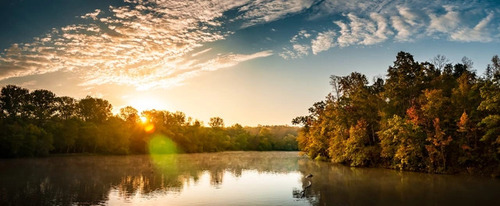
The German Romantic movement of the late 18th and early 19th centuries responded to a world rapidly losing its natural beauty to industrialization and urbanization. Unlike the emerging scientific approach that fractured phenomena into their component parts, Romantics like Friedrich von Hardenberg (Novalis) sought to understand nature’s wholeness through what they called the “wondrous text” written in egg-shells, clouds, stone formations, and butterflies.
For Novalis, the universe wasn’t merely an assembly of objects to be dissected but a vast, mysterious language to be interpreted. While science seeks formulas that reduce complexity to universal laws—transforming an egg-shell into calcium compounds or a wing into feather arrangements—for Romantics, this reduction erases the very essence they wish to understand. An egg-shell is broken because it is an egg-shell, not despite it; clouds drift with their own poetic logic, not simply as water droplets following wind patterns.
This romantic vision of science as poetic interpretation suggests a different way of knowing—one where the scientist is also a poet, fluent in “all languages” of nature while preserving each phenomenon’s unique character. It’s an intimate acquaintance with creation that values simplicity, directness, and the quiet wisdom found in craftsmen, farmers, and those dwelling closely with natural forces.
Today, as climate crisis looms and technology isolates us from direct experience, this romantic sensibility offers something profoundly relevant. The world doesn’t merely need our technical solutions but perhaps deserves our humble awe and our willingness to see the extraordinary within the ordinary. The true language of nature may indeed require both the precision of science and the reverence of poetry—for we can only protect what we truly see, and we can only truly see when we learn to read the world’s hidden grammar.
What might change if more of us treated each cloud, each beetle, each human face as a unique script in nature’s unfolding story?




No Comments