

The Birth of Jesus: A Comparative Glimpse Through Luke and the Qur’an
A brief, thought‑provoking look at how Christianity and Islam narrate the nativity, uncovering shared wonder and distinct theology.
The Gospel of Luke places Jesus’ birth in a historic Roman census, a humble stable, and the awe of shepherds, while the Qur’an emphasizes Mary’s solitary trial, divine sustenance, and Jesus’ early prophetic voice. Both texts begin with a divine decree and end with gratitude, inviting readers to reflect on mystery, humility, and purpose.
Luke’s Nativity Scene
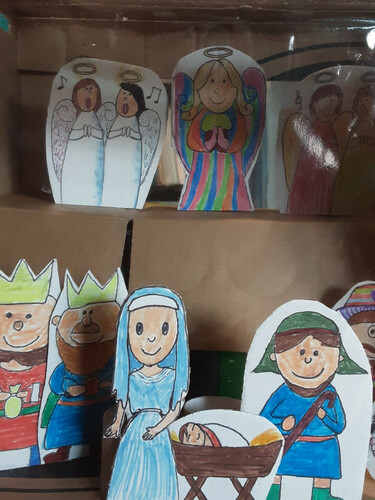
Luke 2 opens with Caesar Augustus’ decree for a census, sending Joseph and pregnant Mary from Nazareth to Bethlehem, the City of David. Lacking guest rooms, they find shelter in a manger. Night‑time shepherds, approached by an angelic messenger, receive the “good news that will cause great joy for all people”: a Savior born, the Messiah, wrapped in cloths and lying in a manger. A heavenly choir joins the angel, praising God and proclaiming peace on earth. Prompted, the shepherds rush to confirm the vision, spread the news, and glorify God, while Mary “treasured all these things, pondering them in her heart.” The chapter closes with Jesus’ circumcision and naming, echoing the angel’s earlier promise.
Qur’anic Perspective
In Surah Maryam (19:22‑33), the focus shifts to Mary’s solitary labor under a palm tree. Overwhelmed, she wishes for death, fearing scandal. God comforts her through the infant Jesus, who speaks from the cradle, directing her to shake the palm for fresh dates—symbolic provision. Jesus declares himself a “slave of God,” bearer of Scripture, prophet, and advocate of prayer and charity, emphasizing humility and devotion. Confronted by his people’s accusations, Mary points to the miraculous child, who answers: “I am a prophet, blessed wherever I may be… peace be upon me the day I was born, the day I die, and the day I am raised alive.” The Qur’anic account stresses divine aid, prophetic identity, and the moral exemplar nature of Jesus.
Key Insights
- Divine Initiative – Both narratives begin with a divine command (census or revelation) that sets history in motion, underscoring that the incarnation is not human accident but purposeful design.
- Humility of Birthplace – Whether a manger or a palm‑shade, the setting is modest, challenging worldly expectations of grandeur for the sacred.
- Angel‑Mediated Announcement – Luke’s angelic choir and the Qur’an’s spoken infant both serve as divine messengers, reinforcing the idea that revelation can arrive in unexpected forms.
- Role of Mary – Luke portrays Mary as contemplative and obedient; the Qur’an highlights her vulnerability and God’s direct comfort, presenting her as both faithful servant and dignified mother.
- Jesus as Prophet and Savior – Christianity emphasizes Messiahship and universal peace; Islam stresses his prophetic mission, scripture, and moral exemplar status. The overlap invites inter‑faith dialogue about shared values of compassion, prayer, and charity.
Conclusion
By juxtaposing Luke’s lyrical gospel account with the Qur’an’s concise yet profound verses, we glimpse a common reverence for a miraculous birth that reshapes humanity. The narratives invite us to pause amid holiday bustle, contemplate humility, and recognize that, across traditions, the story of Jesus calls us to gratitude, generosity, and a deeper search for meaning. May this comparative reflection enrich your holiday reflections and inspire a season of thoughtful generosity.





No Comments