

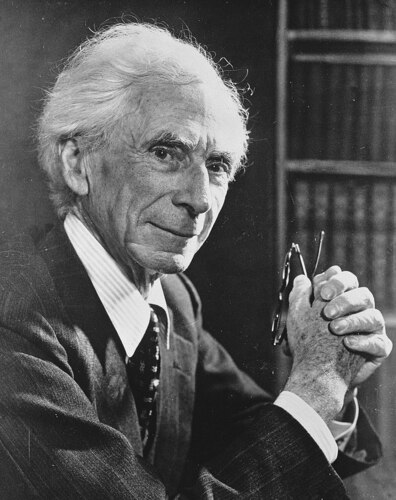
Russell’s Conquest: When Privilege Meets Purpose
Haunted by privilege yet saved by logic, Bertrand Russell found happiness not in status but in intellectual pursuit. His journey reveals timeless truths about joy.
Born into British aristocracy—godson of utilitarian founder John Stuart Mill, grandson of a prime minister—Russell possessed everything worldly yet grappled with profound unhappiness. Orphaned by age four and raised by a strict grandmother, childhood despair nearly led him to suicide. What saved him? Mathematics. At eleven, Euclid’s geometry sparked a passion akin to first love, anchoring him in the rational order lacking elsewhere.
This love of logic became Russell’s lifeline. During World War I, prison paradoxically liberated him from social burdens, letting him dive into intellectual work. By 58, his famed “Principia Mathematica” complete, Russell distilled his hard-won wisdom into “The Conquest of Happiness,” arguing that worldly status neither guarantees nor guarantees joy. True contentment, he contended, arises from cultivating absorbing interests and disciplined thought—tools that transformed his existence.
Russell’s journey teaches us: happiness isn’t inherited but forged. Even with every advantage, inner peace requires active construction through engagement with meaningful challenges. His formula remains radical yet simple: find what makes you forget yourself, and pursue it relentlessly. In a world chasing external validation, Russell’s reminder—that purpose lies in passionate inquiry—resonates now more than ever.






No Comments