

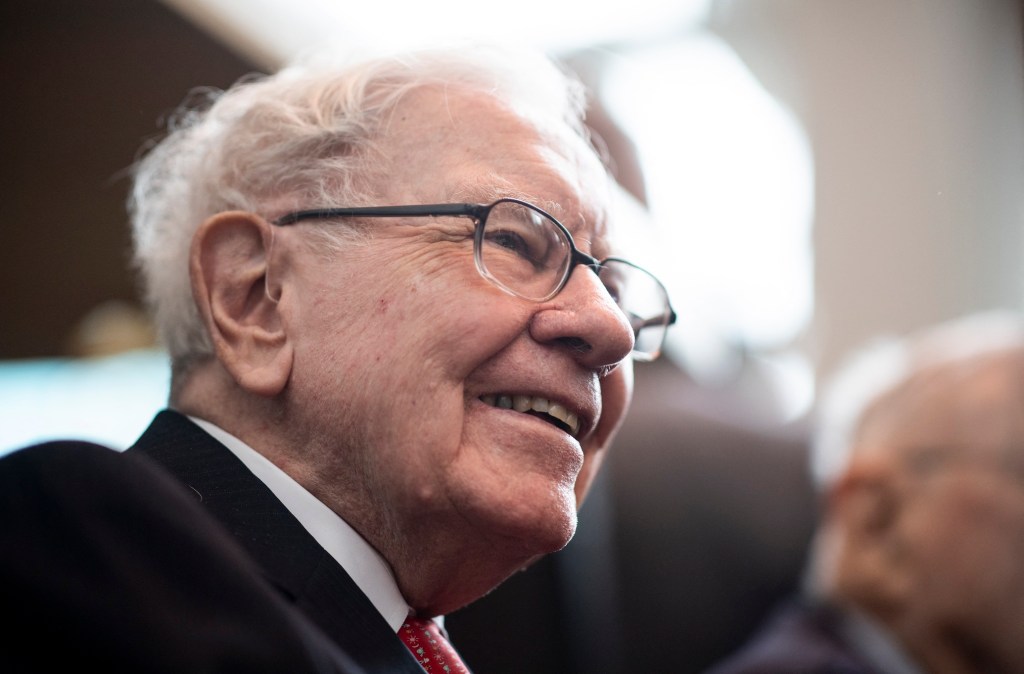
The Buffett Curse: Why ‘Next’ Investors Fail
Anointing a financial successor to Warren Buffett has proven to be a recipe for disaster, with copycats facing fraud, bankruptcy, and collapse.
Warren Buffett’s exit from Berkshire Hathaway at 95 closes a legendary chapter, but the ghosts of those compared to him haunt finance. From prison sentences to Ponzi schemes, the “next Warren Buffett” label has become a toxic badge, dooming aspirants to spectacular failure. This isn’t coincidence; it’s a systemic flaw in how we mythologize and mimic success, often ignoring the bedrock principles that made Buffett irreplaceable.
The fallen heirs are a grim catalog. Sam Bankman-Fried, gracing Fortune’s 2022 cover as “The Next Warren Buffett?” now serves a 25-year sentence for fraud. Eddie Lampert, Businessweek’s “Next Buffett” in 2004, presided over Sears’ 2018 bankruptcy. Weizhen Tang, a self-styled “Chinese Warren Buffett,” was convicted of a $50 million Ponzi. Chamath Palihapitiya, who vowed to build “our generation’s Berkshire,” saw his SPAC empire crumble amid market collapse. Each embraced leverage, hype, or deception—antitheses to Buffett’s patient, value-driven discipline. Their common thread? Prioritizing ends over means, chasing replication over authentic process.
Mohnish Pabrai’s stark warning—”for the next thousand years there will not be another Warren Buffett”—underscores why. Buffett’s genius fused unique circumstances: mid-century American stability, a partnership model incentivizing long-term holds, and a character of almost ascetic frugality paired with insatiable curiosity. Copycats mimic the outcomes—massive wealth, media adulation—without the ethos. They operate in different eras (crypto, SPACs), ignoring timeless tenets like margin of safety and intrinsic value. The media’s cursory comparisons create pressure to perform quickly, breeding arrogance or desperation that erodes ethical guardrails.
For everyday investors, this is a vital lesson in E-E-A-T: Experience, Expertise, Authoritativeness, Trustworthiness. Buffett’s six-decade track record embodies these, while his imitators often lack trust, as fraud cases reveal. Instead of hunting for a “next,” study Buffett’s principles in context: buy below intrinsic value, focus on durable competitive advantages, and ignore speculative frenzies. The next great investor won’t be anointed by headlines; they’ll emerge from obscurity, building quietly with process over publicity.
Moreover, the curse warns against idol worship. Comparison stifles innovation, setting artificial benchmarks that distort judgment. Buffett himself advises, “It’s better to hang out with people better than you,” but emulation must adapt, not copy. His parting legacy isn’t a formula to clone but a mindset: rationality, patience, and integrity over shortcuts.
In the end, Buffett’s stepping down isn’t a void to fill but a call to deepen independent thought. True mastery lies not in being the next someone but in forging your own edge with humility and rigor. As markets evolve, the wisest takeaway is this: legends are revered, not replicated. Invest in your originality, and the returns—both financial and personal—will follow.


No Comments