

Amazon Launches Health AI: Diagnose Symptoms While You Shop
Get instant medical insights without leaving the Amazon aisle—your next health decision could be a click away.
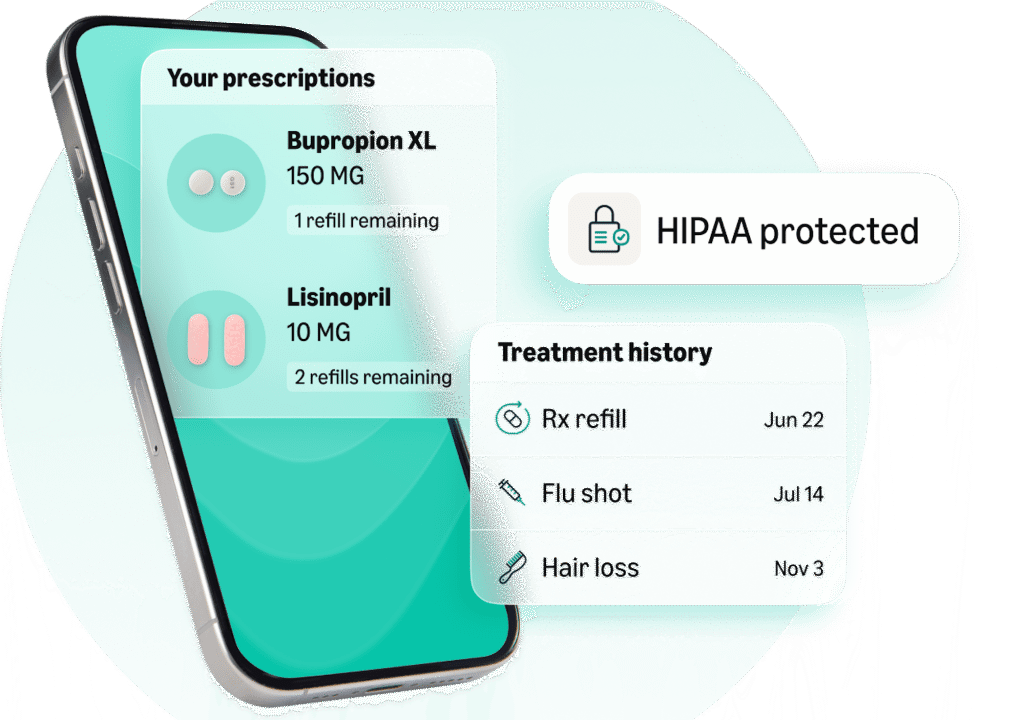
Amazon’s new Health AI tool turns the retail giant’s website and app into a real‑time symptom checker. By typing a common complaint—headache, rash, or fatigue—the AI returns possible causes, suggests over‑the‑counter remedies, and even routes users to telehealth appointments or nearby clinics when needed.
The move is a natural extension of Amazon’s multi‑billion‑dollar foray into healthcare, highlighted by its $3.9 billion acquisition of One Medical and the integration of pharmacy, lab testing, and wellness products into the shopping experience. By embedding medical guidance directly into the consumer journey, Amazon aims to become the default starting point for everyday health decisions, competing with search engines and dedicated health portals.
Why Amazon is betting on health
- Convenience meets credibility – Shoppers already trust Amazon for product reviews and fast delivery. Adding a symptom‑checking AI leverages that trust, offering a seamless bridge from curiosity to treatment.
- Data‑driven personalization – Amazon’s vast purchasing history enables the AI to tailor recommendations, such as suggesting a specific brand of antihistamine that the user has bought before, or flagging potential drug interactions.
- Strategic ecosystem – The AI can instantly link users to Amazon Pharmacy, One Medical’s virtual visits, or local providers, creating a closed loop that keeps the consumer within Amazon’s ecosystem from diagnosis to delivery.
What the tool can (and can’t) do
- Answer common medical questions: Users receive concise explanations of likely conditions, backed by up‑to‑date medical literature.
- Suggest next steps: The AI may recommend home care, over‑the‑counter products, or a telehealth consult, depending on symptom severity.
- Direct to care providers: For issues requiring professional evaluation, the system can schedule a video visit with One Medical or locate a nearby clinic.
However, Amazon stresses that the AI is not a substitute for professional diagnosis. It serves as an informational triage tool, encouraging users to seek qualified medical advice when red‑flag symptoms appear.
The broader impact
Embedding health guidance into a shopping platform could reshape how consumers approach medical care, blurring the line between retail and clinical services. If successful, Amazon may set a new standard for “health‑first” e‑commerce, prompting competitors to integrate similar AI‑driven health features.
In the coming months, user adoption rates, accuracy metrics, and regulatory scrutiny will determine whether Amazon’s Health AI becomes a trusted health companion or just another gadget. For now, the convenience of checking symptoms while you browse your favorite products is a compelling glimpse into a future where health decisions are as easy as adding items to a cart.
Your next health question might just be a search bar away—welcome to the era of shopping‑driven medical insight.



No Comments