

Supplement Fraud Exposed: Half Top-Sellers Fail Tests
Your creatine gummies might be candy unless verified by independent tests.
A stunning investigation reveals nearly half of Amazon’s top-selling supplements don’t contain what their labels promise. The worst offender? Popular creatine gummies—four of six brands tested contained virtually zero actual creatine. Incredibly, one product would require eating 2,000 gummies to deliver a single 5-gram serving, yet these items collectively sell over 50,000 monthly units and boast 4.4+ star ratings. This systemic deception extends far beyond gummies, exposing a crisis in the $50 billion U.S. supplement industry.
The root problem lies in minimal government oversight. Unlike pharmaceuticals, supplements face sparse FDA regulation, creating a “buyer beware” marketplace where companies can cut corners without consequence. Consumers shell out premium prices for products that deliver little to no active ingredients—effectively purchasing expensive placebos. Industry experts like Dr. Tod Cooperman highlight the severe “information asymmetry,” where brands know exactly what’s inside their formulas while consumers remain in the dark.
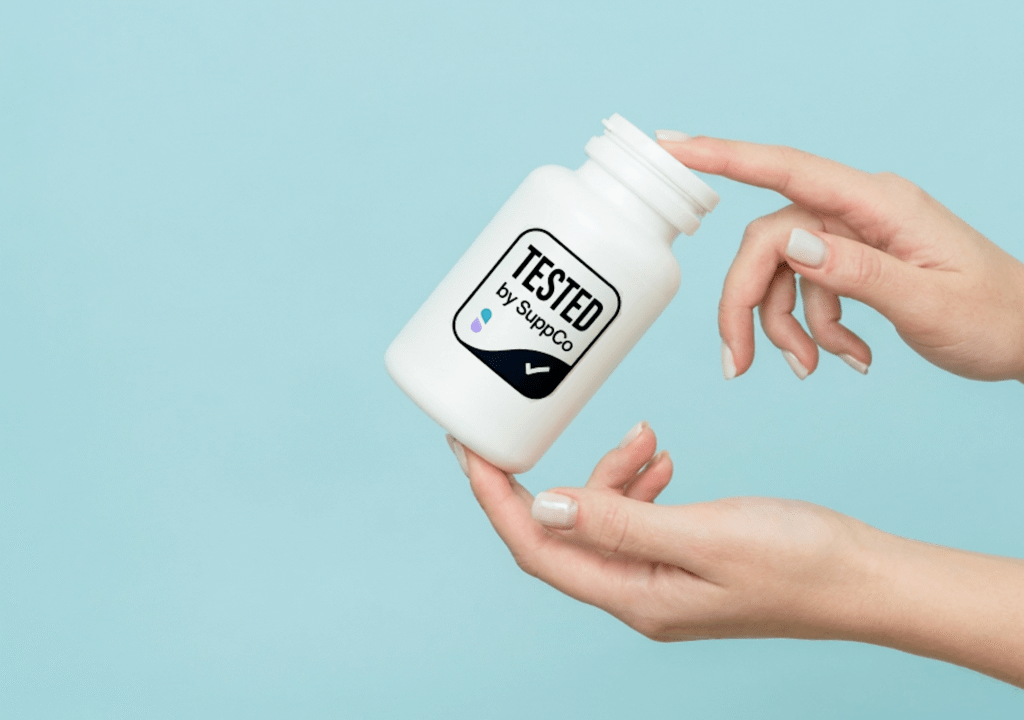
Now, health tech startup SuppCo offers hope with its TESTED certification program. By anonymously purchasing supplements directly from retail shelves and testing them in ISO-accredited labs, TESTED rigorously verifies ingredients. Products must meet or exceed 95% of labeled claims to earn certification, with results—both failures and successes—publicly disclosed. Leading brands like Momentous, Thorne, and Metagenics already back the initiative, viewing transparency as competitive advantage.
While concerns about potential conflicts of interest exist, SuppCo addresses these through anonymous purchases and mandatory annual re-testing. Failed products can improve and retest, but ongoing failures remain visible. If successful, this certification could restore trust, forcing all manufacturers to prove quality or risk obsolescence. As Momentous CEO Jeff Byers states, “Transparency should not be optional.” In an industry where regulators lag, private verification may be our strongest defense against supplement fraud.


No Comments