

Seneca the Younger: The Stoic Who Lived Two Lives
Discover how the famed Roman philosopher’s gilded life and tragic end reveal the true complexity of Stoic wisdom.
Seneca the Younger—born in 4 BC in Cordoba, raised in Rome, and later a tutor to Nero—remains one of the most celebrated yet enigmatic figures of ancient Stoicism. His story is a tapestry of privilege, political intrigue, exile, and profound philosophical reflection, illustrating that even the most revered thinkers can embody contradictions that challenge our modern notions of authenticity.
Two Faces of a Philosopher
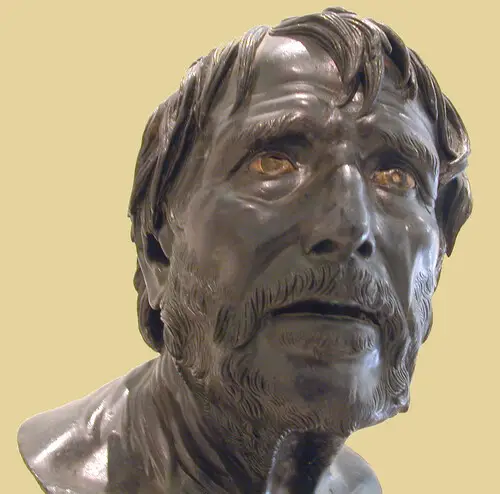
The image of Seneca that most people recognize is a polished bust of a dignified, well‑fed man. Yet another portrait, often called “pseudo‑Seneca,” shows a more tormented, introspective figure. These two faces symbolize the duality of Seneca’s public persona and private self. While the former represents his comfortable life as a Roman aristocrat, the latter reflects the inner turmoil that fueled his writings on suffering, virtue, and the human condition.
A Life in the Shadow of Power
Seneca’s early career was marked by political missteps. Emperor Caligula’s outrage over his speeches nearly forced him to suicide, but the emperor’s death spared him. Under Claudius, Seneca was accused of adultery and exiled to Corsica, where he penned the famous Consolations. His return to Rome came through the influence of Agrippina, Nero’s mother, and he became Nero’s tutor and speechwriter. When Nero’s reign turned tyrannical—killing Britannicus, murdering Agrippina, and executing conspirators—Seneca’s association with the emperor made him a target. In 65 AD, Nero ordered Seneca to commit suicide, a grim end that mirrored the Stoic acceptance of death as a natural part of life.
Stoicism in Practice
Stoicism teaches calm, rational detachment and the cultivation of virtue. Seneca’s own life, however, shows that living these ideals is fraught with conflict. He amassed wealth, lent money to aristocrats, and navigated the treacherous politics of Rome—all while writing essays that urged readers to “rise above vices” and “seek truth.” His On the Shortness of Life (De Brevitate Vitae) reflects a man who, despite his riches, still struggled to find meaning and to master his own mortality.
Legacy and Lessons
Seneca’s paradox—rich yet reflective, powerful yet vulnerable—offers a timeless lesson: authenticity is not a single, unchanging trait but a dynamic interplay of experience and insight. Modern readers can draw from his example that wisdom often emerges from confronting contradictions, not avoiding them. By embracing both the light and shadow within, we can practice Stoic resilience in our own lives, turning everyday challenges into opportunities for growth.
In the end, Seneca’s story reminds us that the pursuit of virtue is a lifelong journey, one that requires humility, courage, and the willingness to confront our own complexities. His writings continue to inspire, proving that even the most flawed human can illuminate the path to a calmer, more purposeful existence.




No Comments