

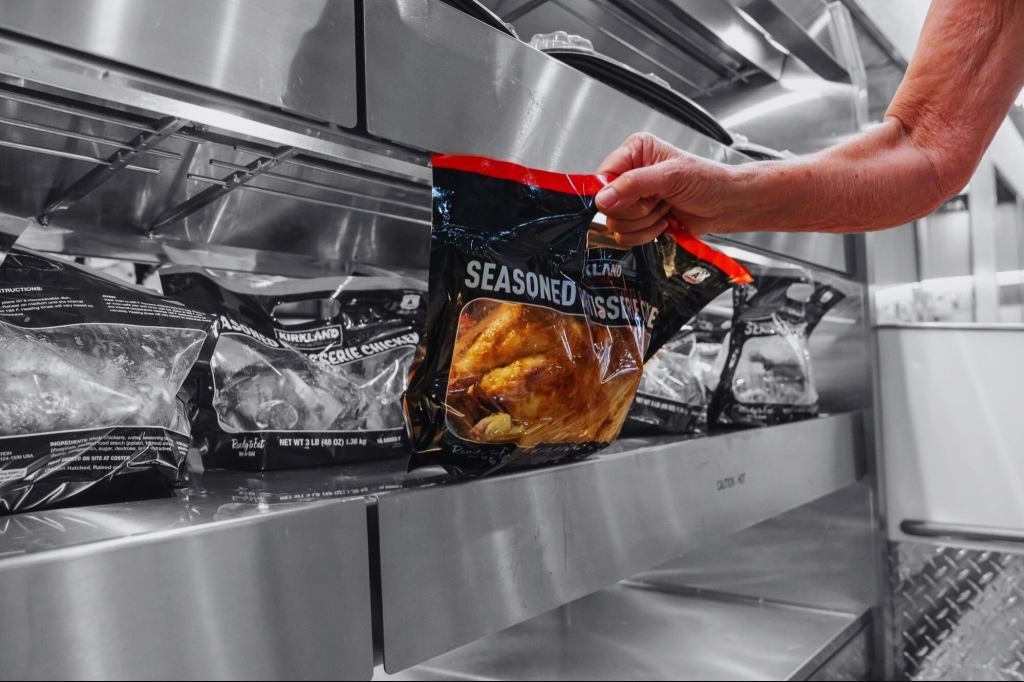
Costco’s $4.99 Chicken Lawsuit Claims ‘No Preservatives’ Mislabel
Are you paying $5 for chicken that’s anything but clean?
A federal class‑action suit filed in San Diego accuses Costco of falsely labeling its Kirkland Signature Seasoned Rotisserie Chicken as “no preservatives” despite listing sodium phosphate and carrageenan in the ingredient list. Plaintiffs Anastasia Chernov and Bianca Johnston argue they would not have bought the chicken—or would have paid less—had they known the additives were present. The complaint claims the misleading label allowed Costco to “systemically cheat customers out of tens—if not hundreds—of millions of dollars.”
The allegation centers on two common food additives. Sodium phosphate is used to retain moisture, while carrageenan acts as a stabilizer. Both are technically preservatives, yet they do not appear on the “no preservatives” claim marketed on the company’s website and in‑store signage. For a product priced at a steadfast $4.99 for years, the discrepancy raises questions about transparency and consumer trust.
This case is part of a broader wave of legal challenges targeting “clean label” advertising. Recent lawsuits have similarly targeted brands that use terms like “natural,” “no artificial ingredients,” or “free from preservatives” while still containing hidden additives. Regulators and watchdog groups are increasingly scrutinizing such claims, pushing retailers to audit ingredient lists and revise marketing language to avoid deceptive implications.
Costco’s $4.99 price point has become a cultural touchstone, but the lawsuit suggests that even iconic pricing can be undermined by deceptive labeling. Consumers who prioritize clean‑eating choices may feel betrayed, prompting calls for clearer labeling standards across the grocery sector.
The lawsuit serves as a reminder that price alone does not guarantee ingredient integrity. Shoppers should read ingredient labels carefully, question bold “no preservatives” claims, and stay informed about emerging legal actions that could affect future purchasing decisions. By demanding honest labeling, consumers can help shape a marketplace where “clean label” truly means clean.


No Comments