

Who’s the Real Father (and Mother) of Philosophy?
Philosophy’s origins aren’t owned by one person—discover the thinkers who shaped it across cultures and eras.
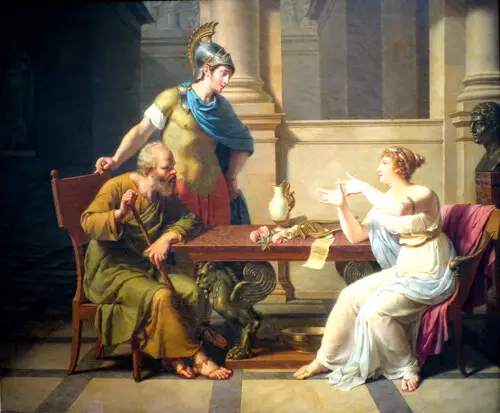
For centuries, philosophers have debated whether a single “father” or “mother” of philosophy exists. The answer? It’s a collective story. Western thought starting with Thales of Miletus, who pondered existence’s essence, evolved through Socrates’ questioning, Plato’s writings, and Aristotle’s scientific rigor. In the East, Confucius and Lao Zi laid foundations for ethics and harmony. Yet, their legacies overshadow lesser-known voices like Diotima, Socrates’ mentor in love and wisdom; Aspasia, Pericles’ collaborator who hosted intellectual elites; Hypatia, Alexandria’s polymath; and Ban Zhao, China’s first female historian.
Despite their brilliance, women philosophers faced erasure. Diotima’s role was reduced to Socrates’ lover; Aspasia was villainized as a temptress; Hypatia’s death became a symbol of religious persecution. History’s gaze often framed women through sex, not intellect. Today, their stories challenge us to redefine what “mother” or “father” means—beyond names to impact.
Philosophy thrives on countless voices. Acknowledge the pioneers who dared to ask “why,” whether man or woman, East or West. The journey isn’t about one founder—it’s about many. Support this ongoing dialogue by exploring their work, and consider subscribing for more insights.



No Comments