

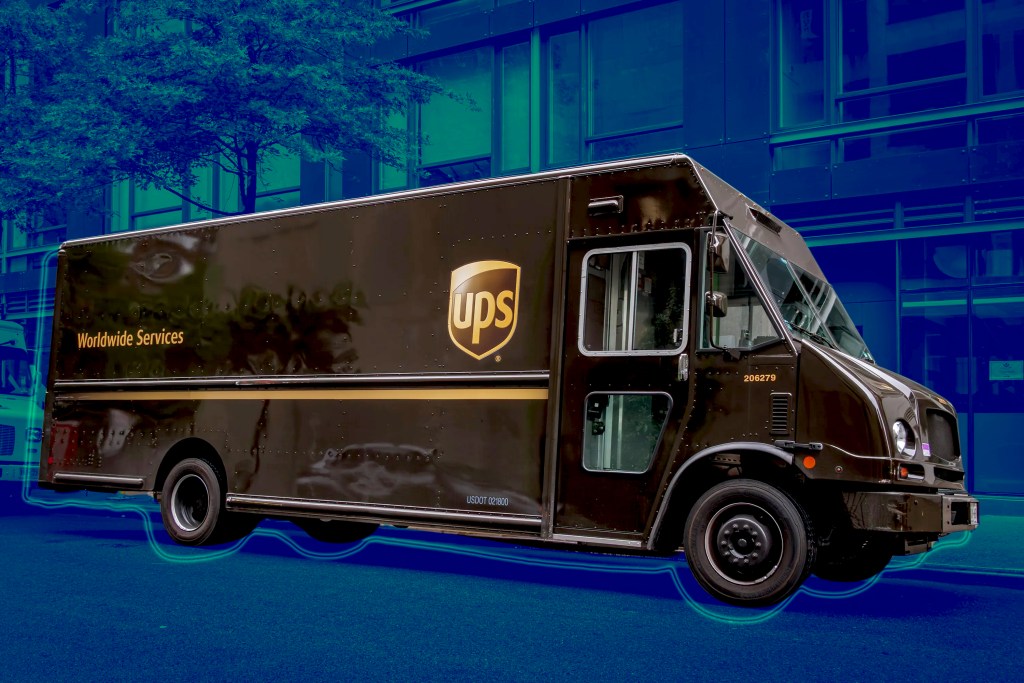
UPS Is Cutting 30,000 Jobs—Here’s Why It’s Not a Layoff, But a Strategic Evolution
The future of delivery isn’t about more boxes—it’s about better ones.
UPS isn’t laying off workers. It’s letting go of the past. By eliminating 30,000 operational roles through attrition and voluntary separation—not forced firings—the logistics giant is making a ruthless, intelligent pivot: abandoning Amazon’s low-margin, high-volume parcels to chase healthcare, small business, and international shipments that actually profit. In 2025, UPS already cut Amazon’s daily volume by 1 million packages—and by late 2026, it aims to slash that by half. Why? Because Amazon, its biggest customer, is becoming its biggest disruptor: it now handles more U.S. deliveries than UPS and FedEx combined.
This isn’t just cost-cutting—it’s survival with strategy. For decades, UPS carried the weight of Amazon’s explosive growth, but at a steep price: thin margins, aging infrastructure, and overstaffed facilities. Now, with automation, AI routing, and 24 facility closures already in motion, UPS is automating the grunt work while repositioning its workforce toward higher-value parcels. The human cost is real—nearly half a million employees once filled these roles—but the company insists no layoffs are planned. Instead, drivers and warehouse staff are being offered buyouts, and open positions are simply left unfilled.
Meanwhile, UPS’s 2025 net income dipped 4% to $5.57 billion amid declining revenue—but savings of $3.5 billion last year and another $3 billion projected in 2026 show the pain is intentional. This isn’t retreat. It’s reinvention.
For workers: This is a moment to assess transferable skills—packaging expertise, logistics knowledge, safety discipline. These don’t vanish with one employer. For business owners: The logistics landscape is fragmenting. The era of one-size-fits-all shipping is over. Smart companies are now choosing carriers based on margin, speed, and specialization—not just price.
UPS is no longer the default. It’s becoming the strategic choice—for the right parcels, the right clients, the right future. The trucks are still rolling. But what they carry—and who drives them—is changing. And that’s not loss. It’s leverage.




No Comments