

Beyond Pleasure: The 2,500-Year Search for True Happiness
From Aristotle’s virtues to Bhutan’s Gross National Happiness, our definition of flourishing has evolved from personal ethics to a global priority.
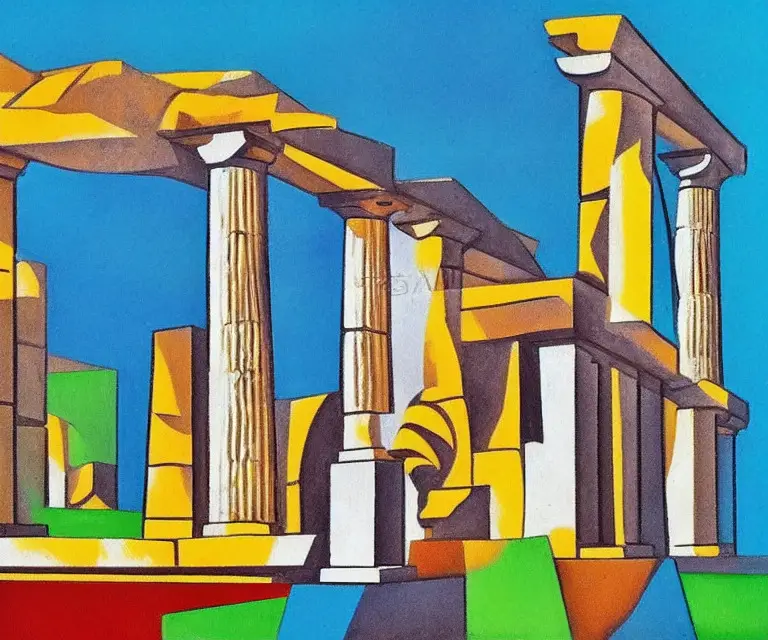
Happiness is the universal pursuit, yet its definition has shifted dramatically through history. In ancient Greece, Aristotle defined it not as a fleeting feeling but as Eudaimonia—a life lived in accordance with virtue and practical wisdom. This wasn’t about momentary joy, but about flourishing through excellence and moderation. Centuries later, the Middle Ages reframed happiness through a divine lens. Philosophers like Thomas Aquinas and Al Ghazali argued that true contentment arises from the love of God and the purification of the soul, moving the focus from earthly virtues to spiritual devotion.
The Enlightenment brought another sharp pivot toward hedonism. Thinkers like Jeremy Bentham and John Stuart Mill introduced utilitarianism, measuring happiness by the presence of pleasure and the absence of pain. While Bentham saw happiness as a calculable sum of pleasures, Mill distinguished between “higher” intellectual pleasures and “lower” sensory ones. However, the 20th century saw a return to Aristotle’s roots, challenging the simplicity of hedonism. Robert Nozick’s “Experience Machine” experiment proved that real life, with its struggles and authenticity, is preferable to simulated bliss. Today, happiness has transcended the personal to become political. Concepts like Bhutan’s Gross National Happiness Index and UN resolutions highlight a modern recognition that societal well-being is just as important as individual virtue.
Ultimately, the history of happiness reveals that there is no single formula. Whether through virtue, faith, pleasure, or social policy, the pursuit remains the driving force of human existence. The most profound insight is that the path to happiness is as unique as the individual walking it.






No Comments