

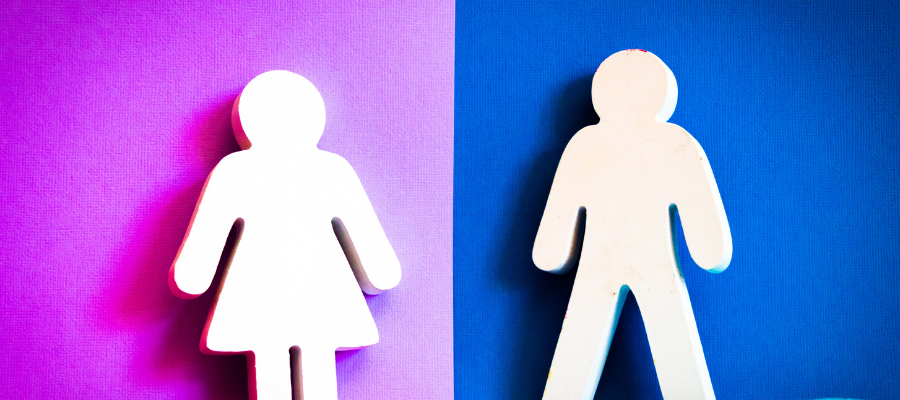
Is Gender a True Spectrum or Something More Viscose?
Exploring the limits of fluid identity and the biological pull that defies easy labels.
The concept of a gender spectrum suggests we can slide freely between feminine and masculine traits, yet reality often feels more anchored than that. Research indicates a strong biological underpinning to sex, from chromosomal differences to brain structure variations, which challenges the notion of total fluidity. This isn’t about denying personal experience but examining the science: hormones like testosterone and estrogen shape development in profound ways, creating a “viscose” nature where identity resists constant change. For many, gender feels like a deep-seated core rather than a slippery slope, influenced by both innate factors and societal pushes for broader definitions.
Key insights emerge from this tension. First, while cultural norms evolve, biological sex remains a binary anchor in most species, including humans, with rare intersex variations representing outliers rather than a full spectrum. Studies in endocrinology and neuroscience reveal that prenatal exposures solidify traits, making true reversals rare without intervention. Second, the fluid spectrum model, popular in progressive circles, empowers self-expression but can overlook the mental health toll of constant reinvention—rates of anxiety and depression rise when biological realities clash with fluid narratives. Finally, embracing a more viscose view fosters authenticity: it honors both science and soul, encouraging individuals to explore without forcing perpetual change.
In conclusion, gender isn’t merely a playground of possibilities; it’s a landscape shaped by enduring biological forces. By integrating psychological insights with empirical data, we gain clearer self-understanding, turning confusion into confidence. This balanced perspective values personal truth while respecting nature’s design, leaving us more grounded and empowered in our journey.






No Comments