

The Revolving Door Spins: Why Ex-Politicians Like George Osborne Are Big Tech’s Newest Assets
As the AI talent wars intensify, tech giants are looking beyond engineers, snapping up high-profile political heavyweights to navigate a complex global landscape.
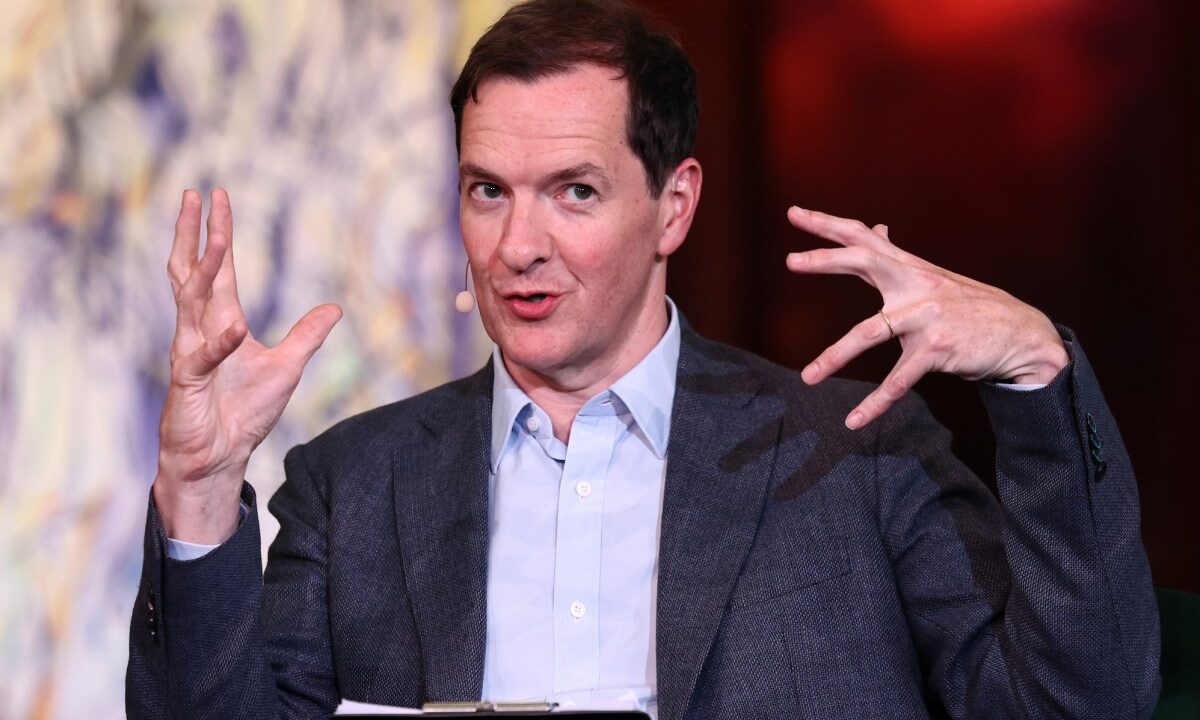
The latest headline involves George Osborne, the former U.K. Chancellor of the Exchequer, who announced his dual role as managing director for OpenAI’s “Countries” initiative and to lead Coinbase’s internal advisory council. This move comes hot on the heels of Slack CEO Denise Dresser joining OpenAI as chief revenue officer, signaling a strategic pivot in how tech companies scale influence.
Osborne’s High-Profile Pivot
Osborne’s resume is heavy with political clout. Serving as the U.K.’s finance minister from 2010 to 2016, he later transitioned into media as editor of the Evening Standard and co-founded the venture capital firm 9yards Capital. His VC acumen is notable, with early investments in giants like Robinhood and Coinbase.
Now, he’s leveraging that extensive network for OpenAI. In his new London-based role, Osborne will spearhead “OpenAI for Countries,” an initiative expanding the massive Stargate project. This program partners with governments to build local data centers and customize ChatGPT for regional languages and cultures. Chris Lehane, OpenAI’s chief global affairs officer, emphasized that Osborne’s hire reflects a belief that AI is becoming critical infrastructure requiring political navigation.
Coinbase, where Osborne already served in an advisory capacity, cited his need for a “much more active role” in global policymaking. For a crypto exchange facing a shifting regulatory climate, a former chancellor’s touch is seen as invaluable insulation.
A Pattern of Political Tech Hires
Osborne is hardly alone. He joins a growing cohort of British politicians trading the public sector for Silicon Valley paychecks. Former Deputy PM Nick Clegg spent over six years as Meta’s policy chief, while ex-PM Rishi Sunak recently secured advisory roles with Microsoft and AI firm Anthropic.
This trend highlights a “revolving door” dynamic that ethics watchdogs scrutinize heavily. Critics argue that former officials leverage state connections for lucrative corporate gain, potentially bending policy toward foreign interests. Osborne himself faced scrutiny in 2017 for accepting the editorship of the Evening Standard without immediate approval from the ethics watchdog.
The Strategic Value of a Chancellor’s Rolodex
Proponents, however, view this as the natural evolution of expertise. Osborne’s tenure saw the creation of open banking regimes and the Financial Conduct Authority’s “sandbox”—moves that helped position the U.K. as a fintech leader. As governments worldwide race to regulate AI and crypto, companies need leaders who can speak the language of policy.
Ultimately, Big Tech isn’t just hiring for coding ability; it’s hiring for geopolitical foresight. The integration of political elites into AI and crypto infrastructure suggests that the next phase of tech growth will be defined less by algorithms and more by regulatory diplomacy. For Osborne, and the companies paying for his access, the intersection of politics and technology is not just a career path—it’s the new frontier of influence.






No Comments